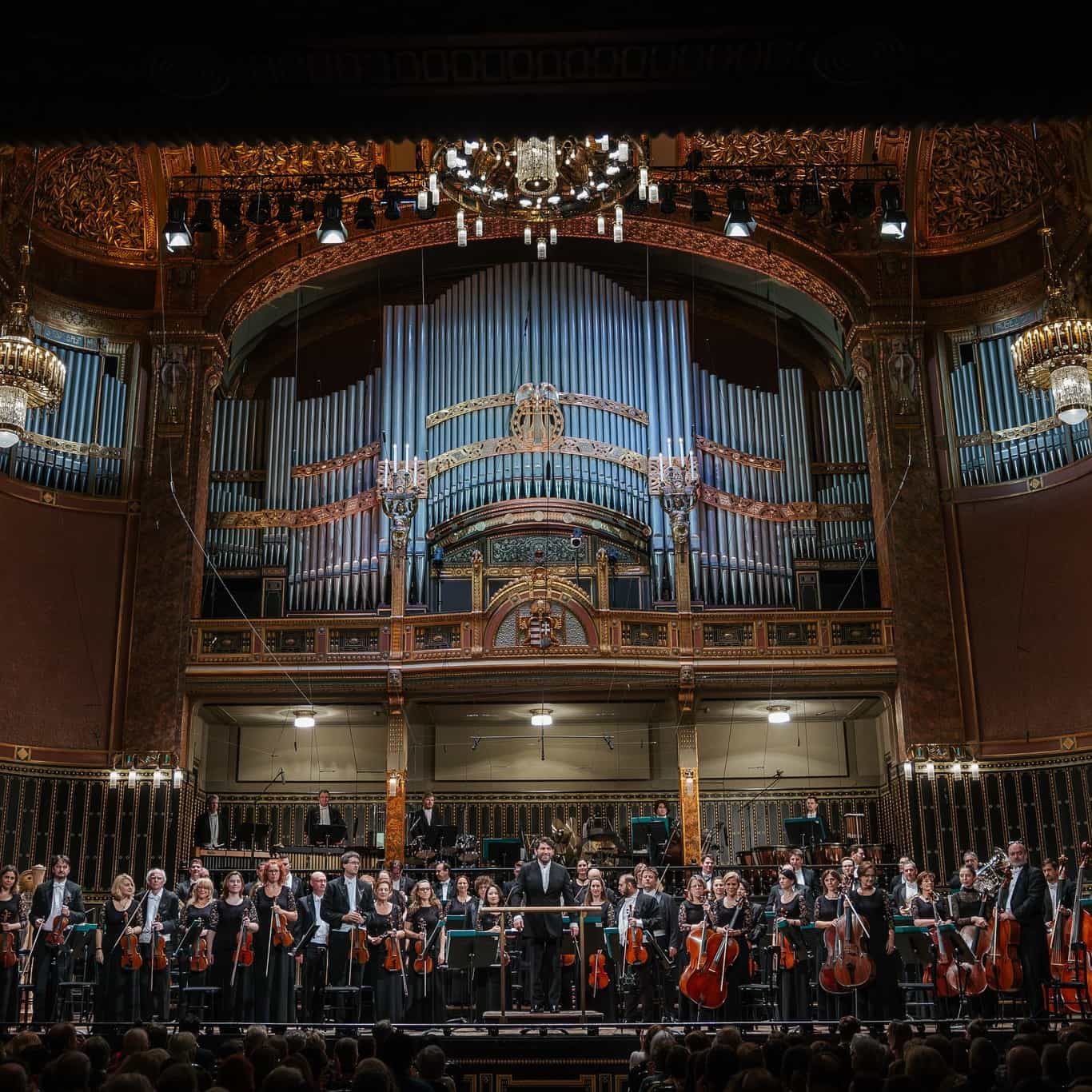
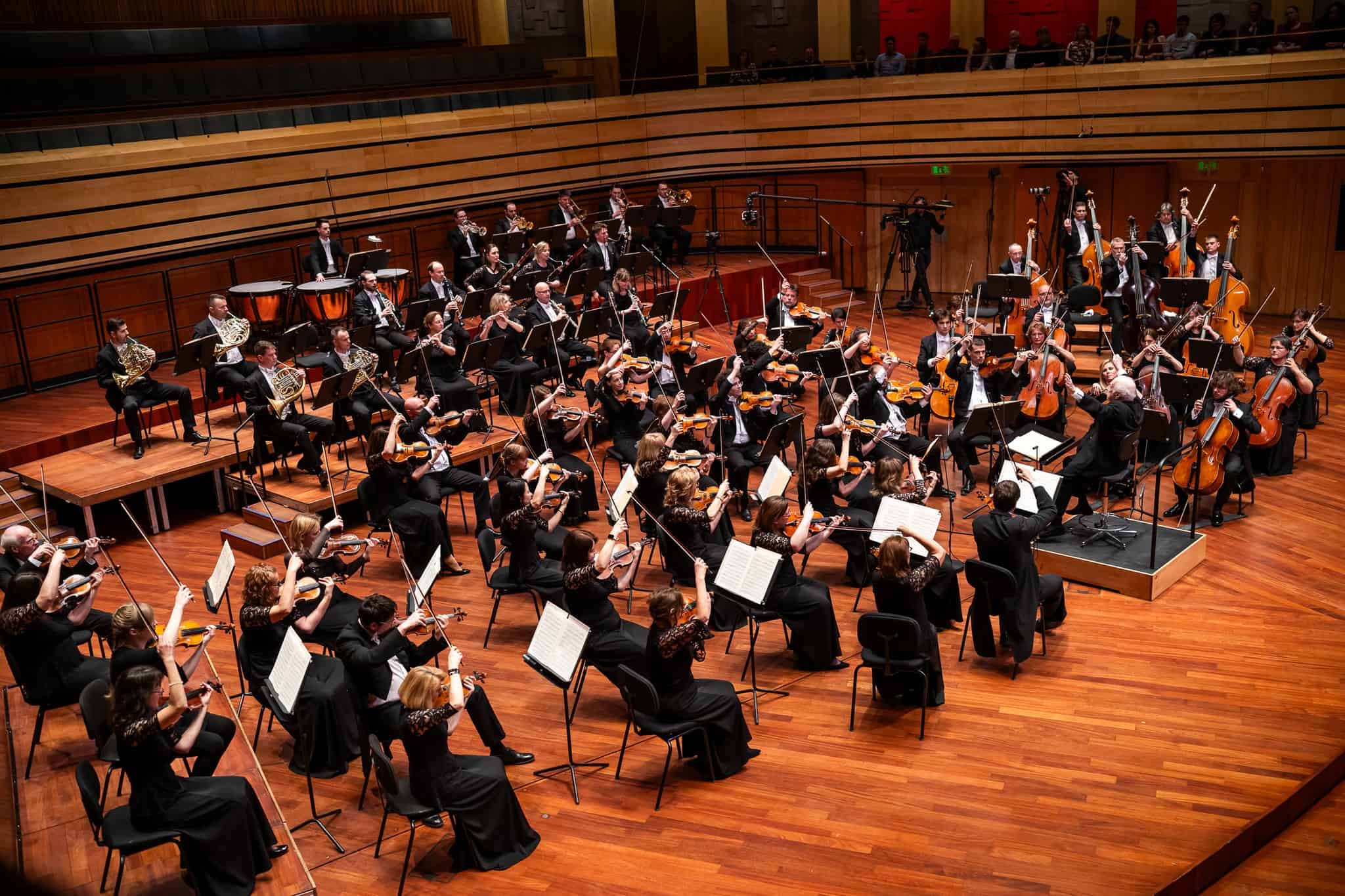
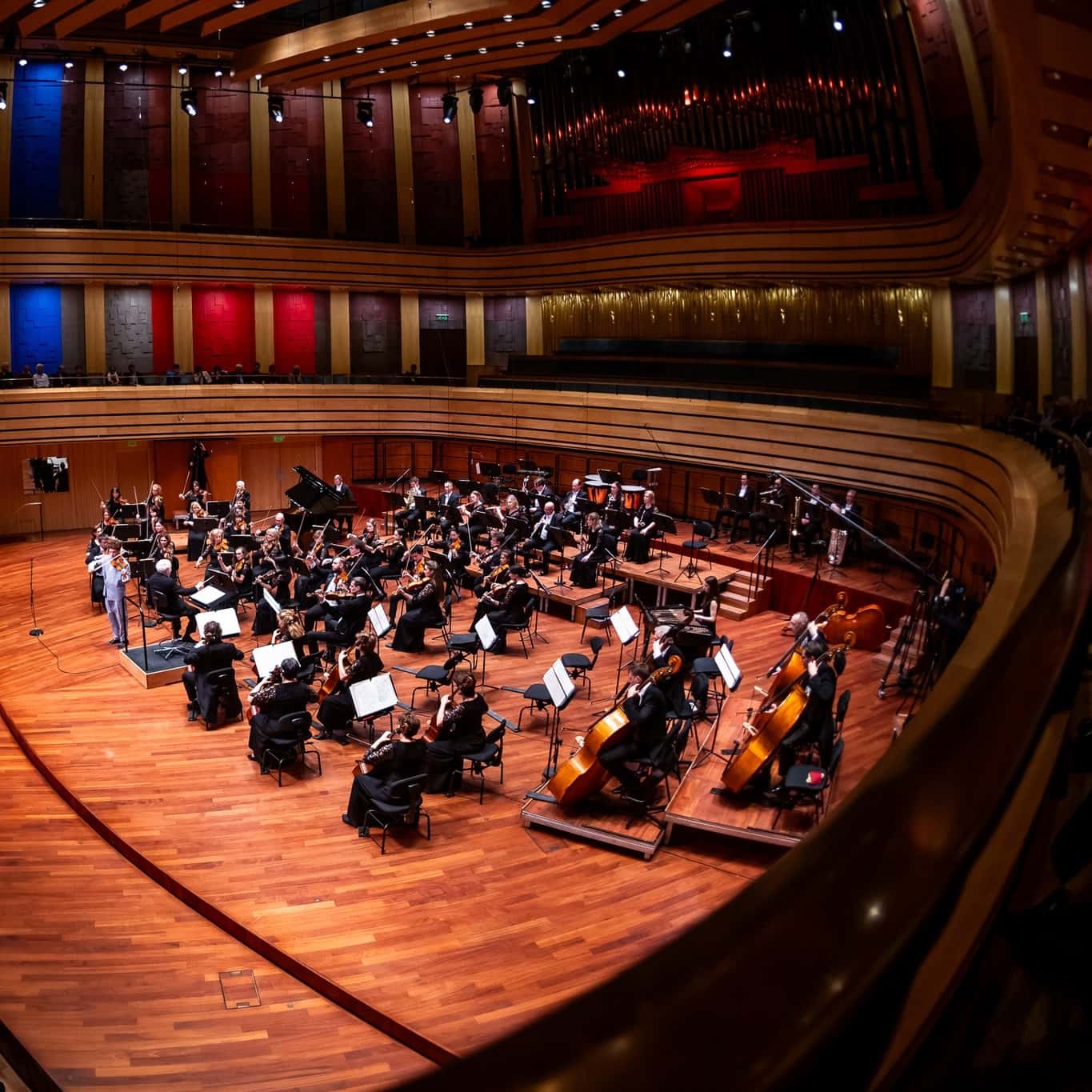
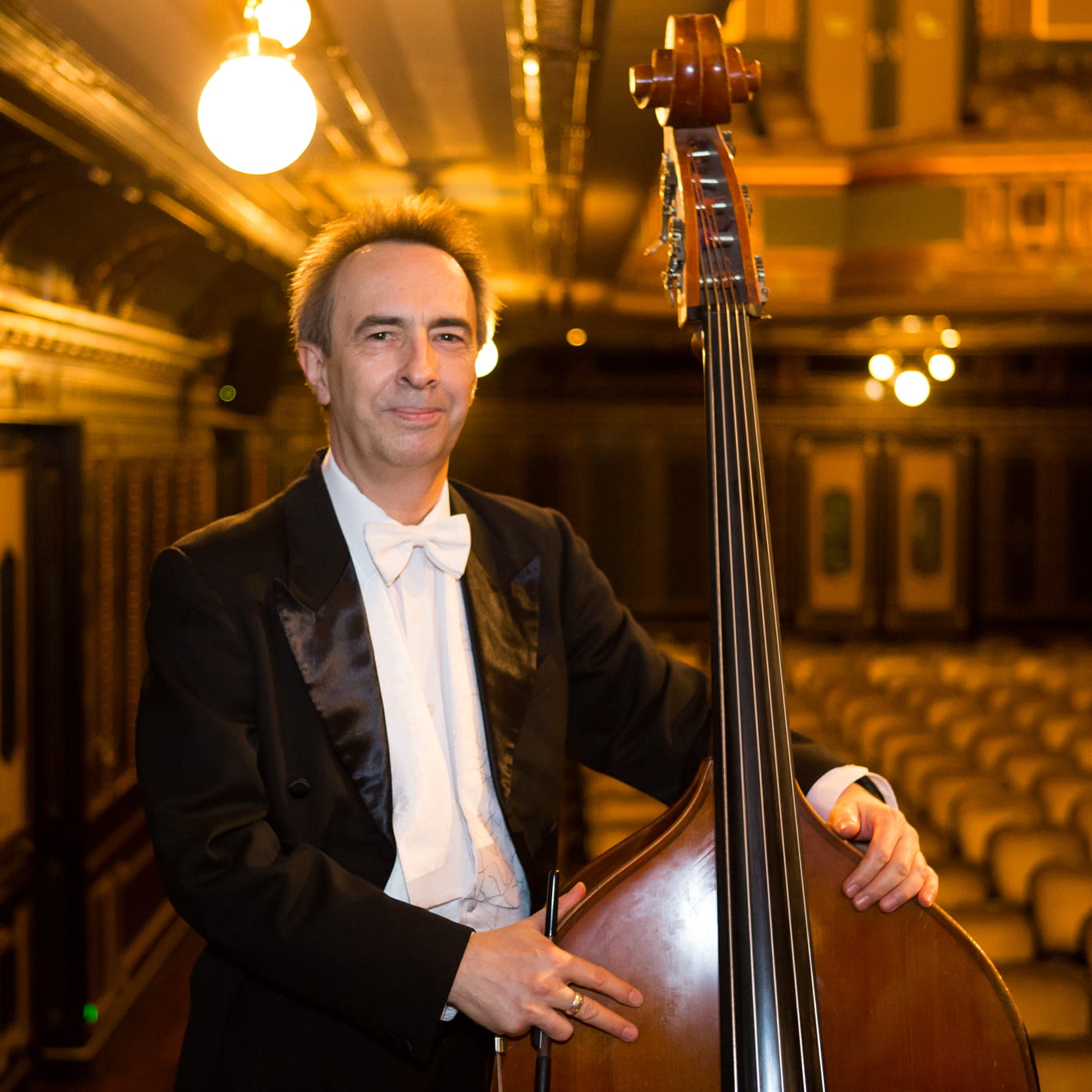
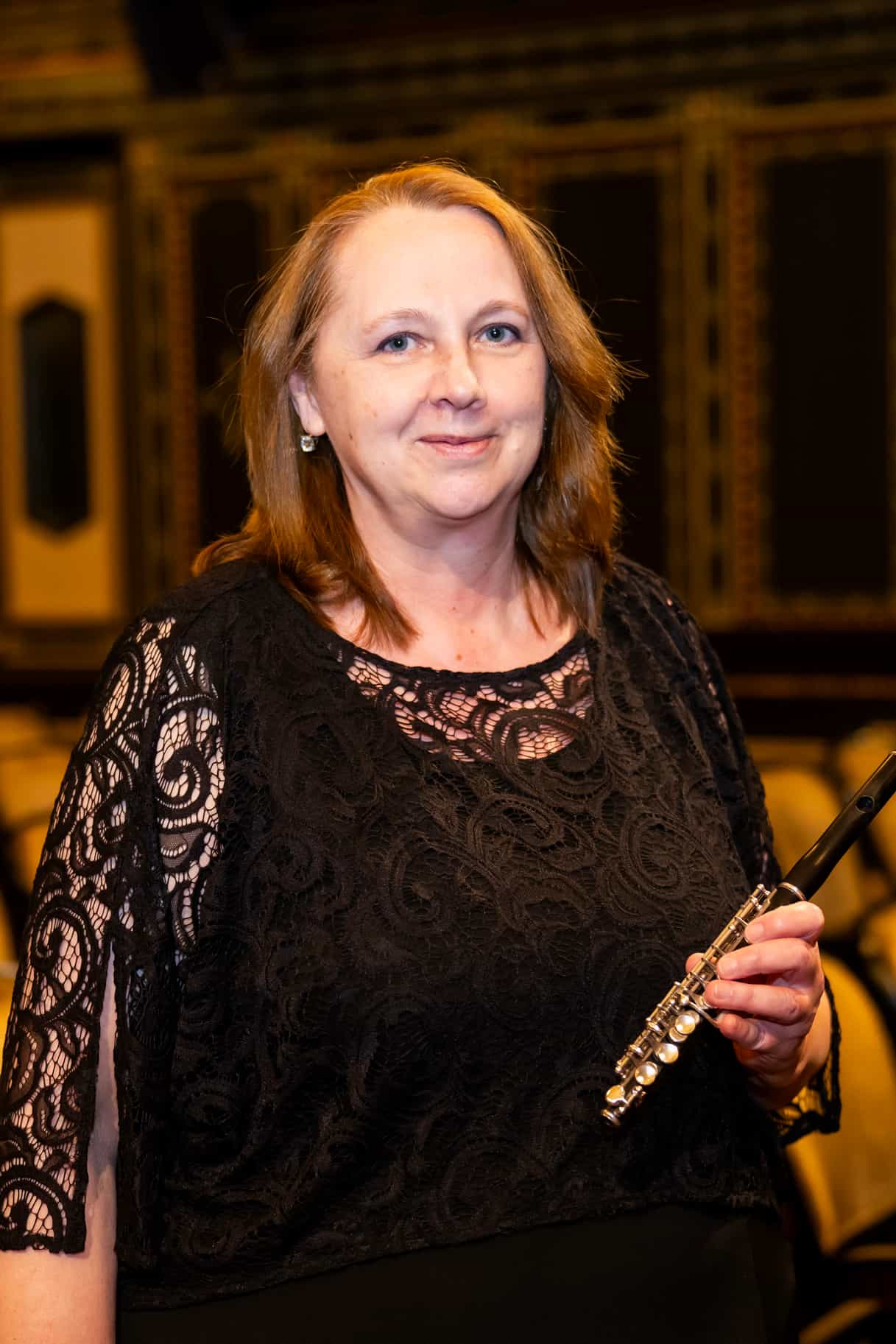
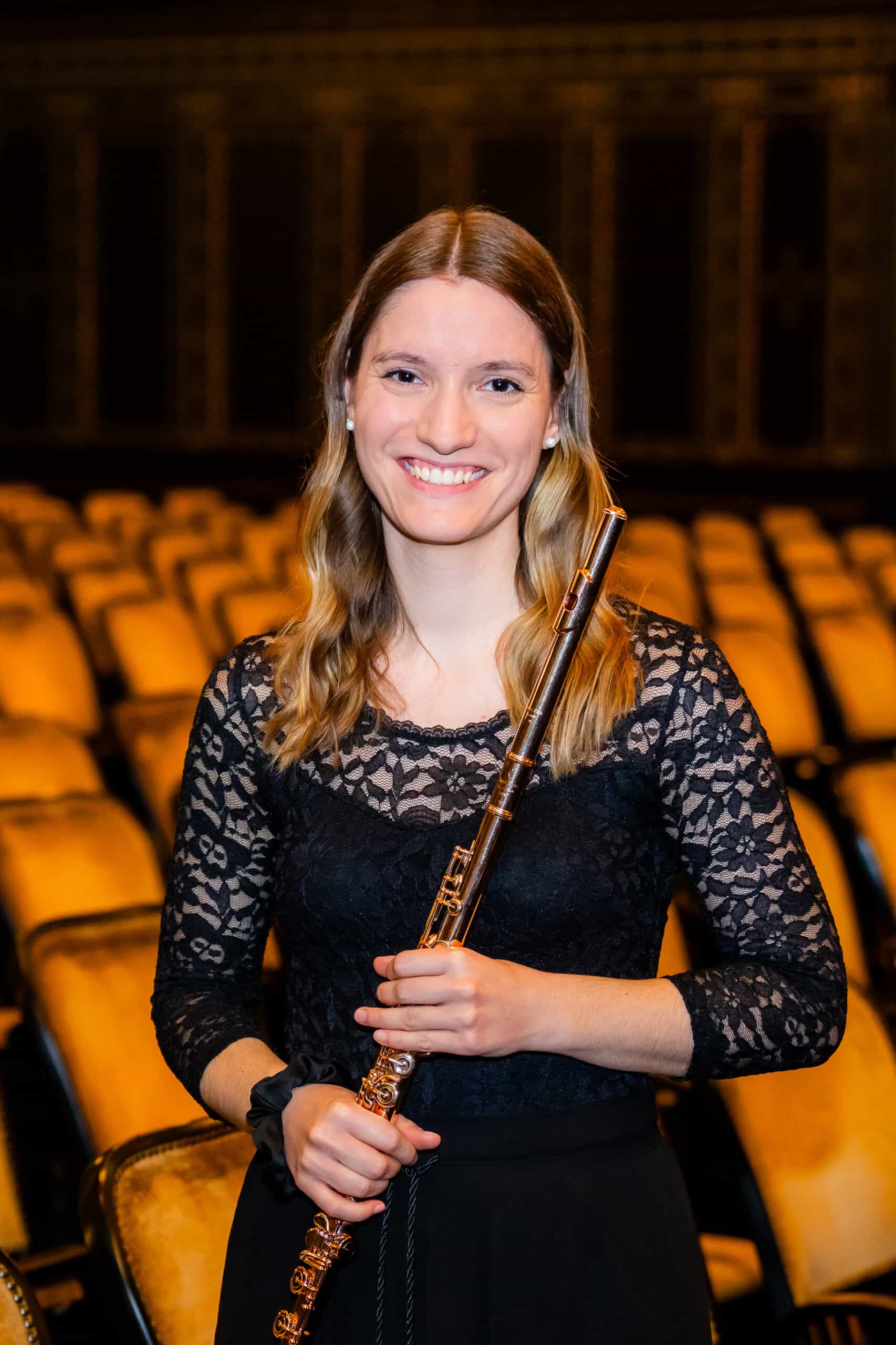
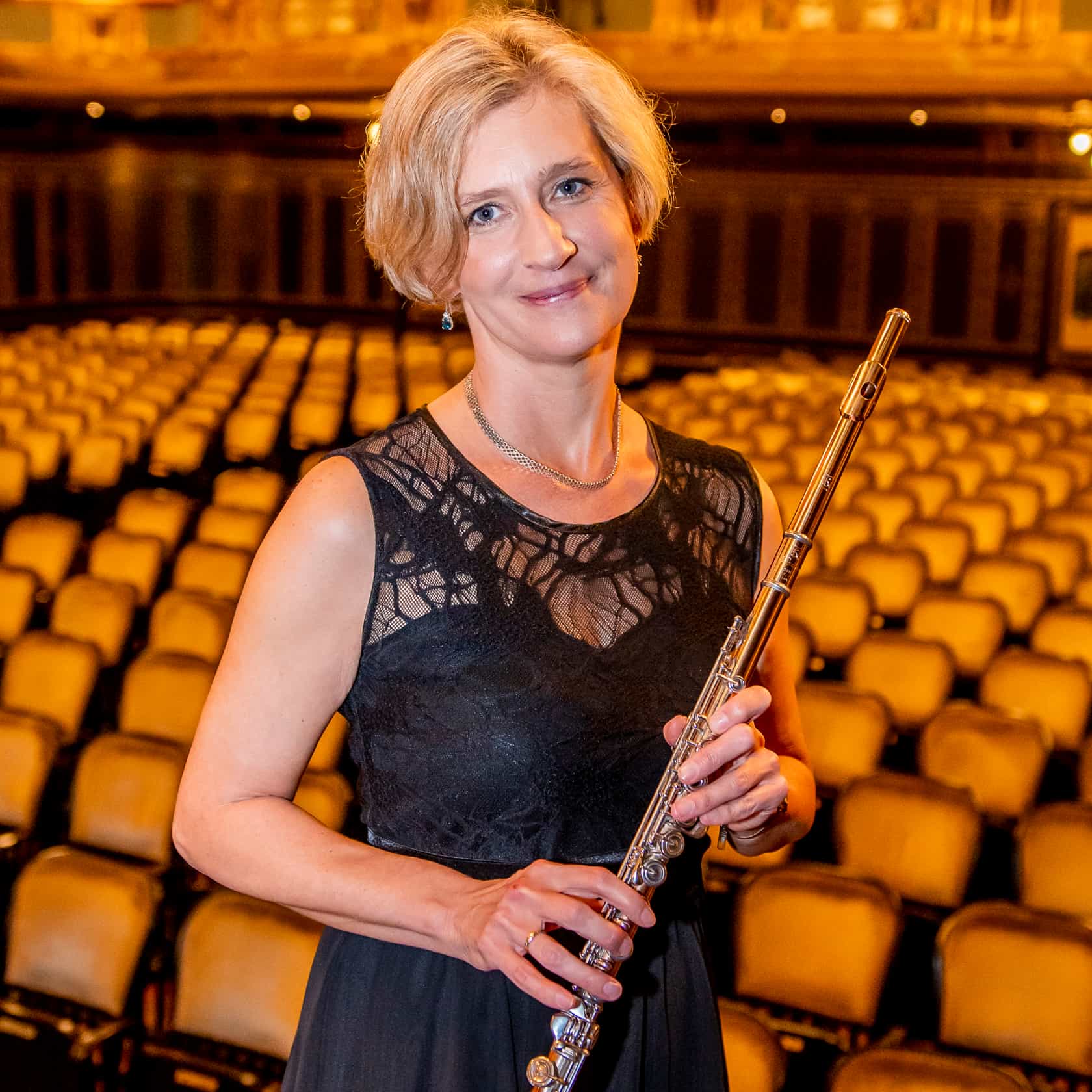
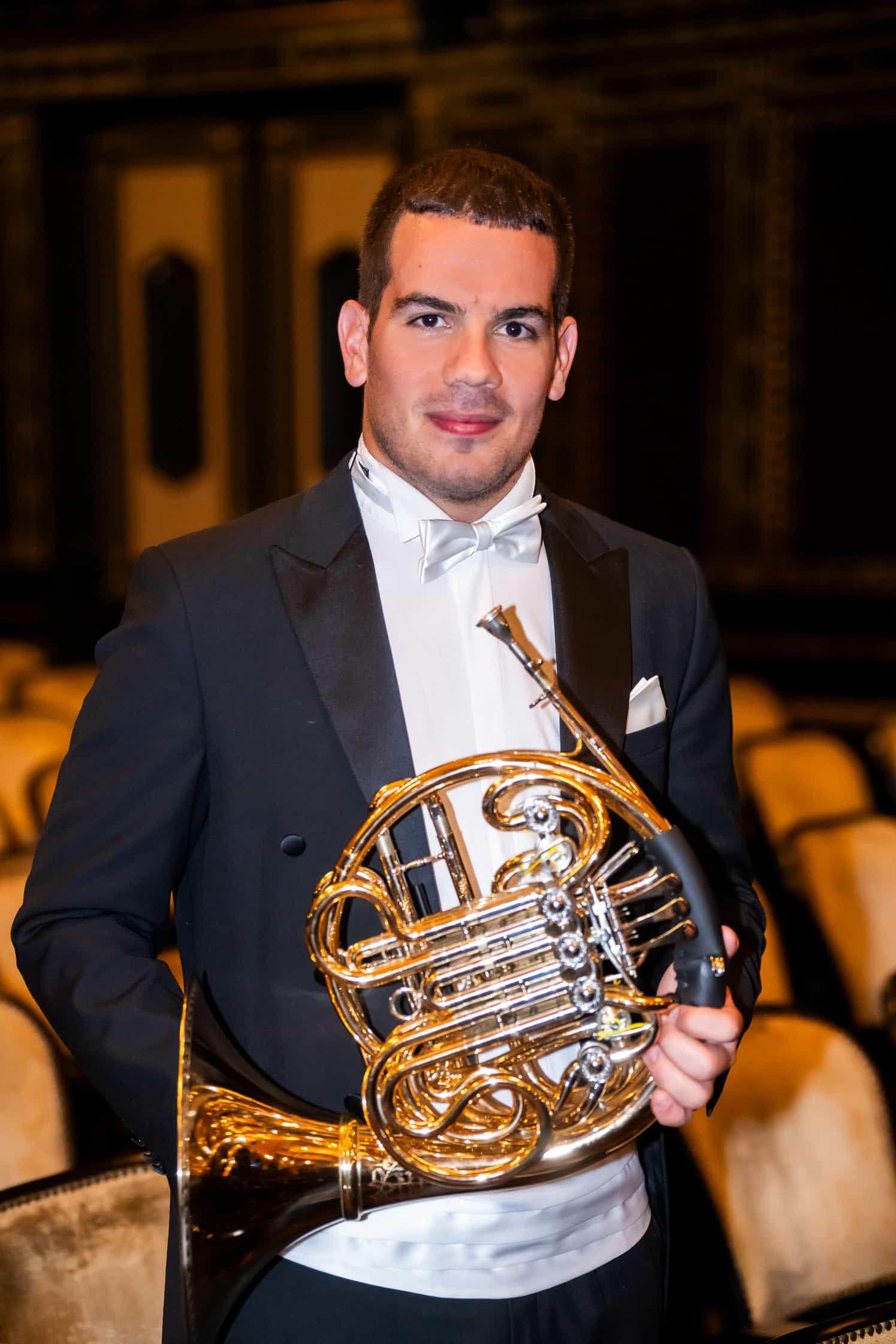
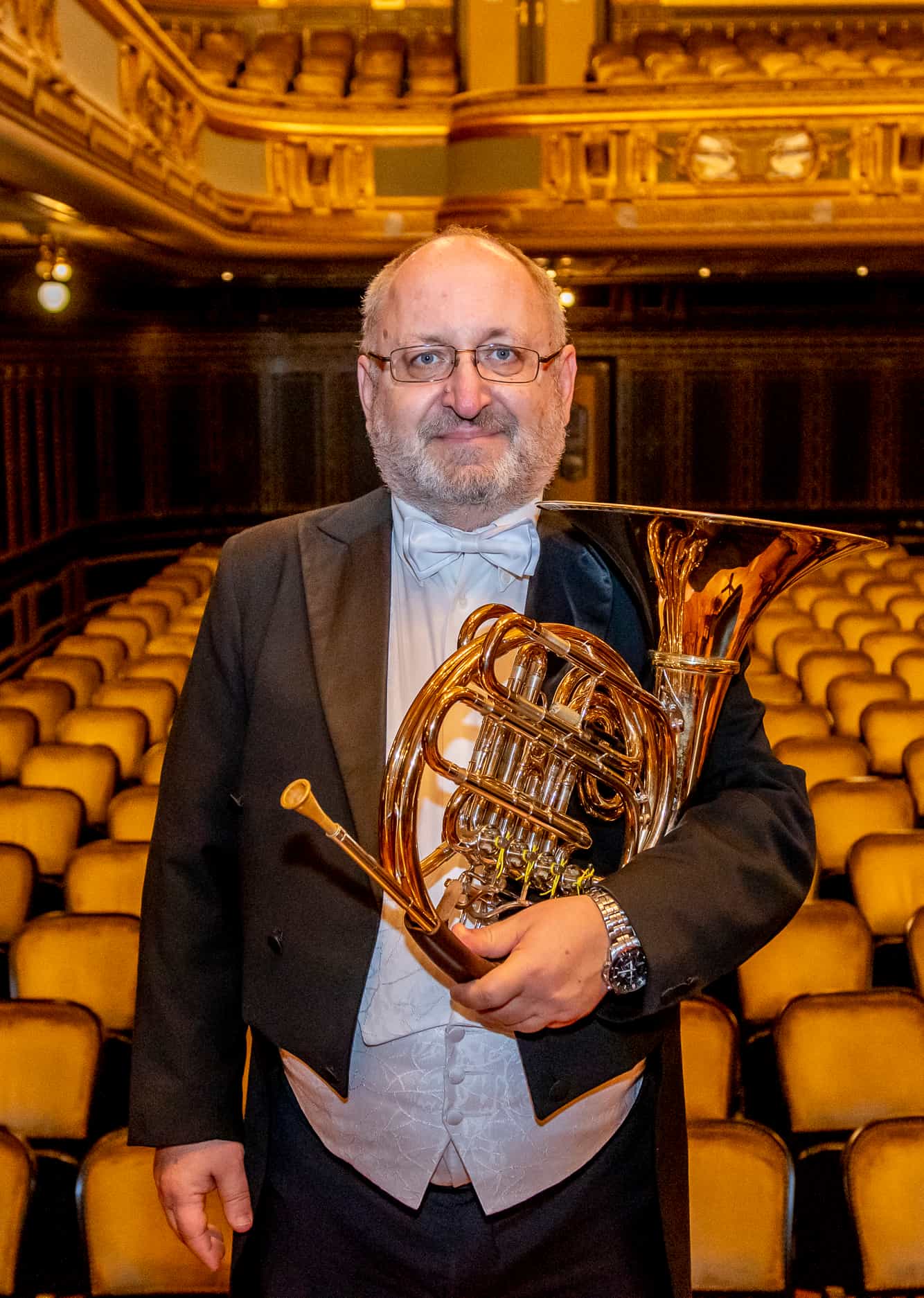
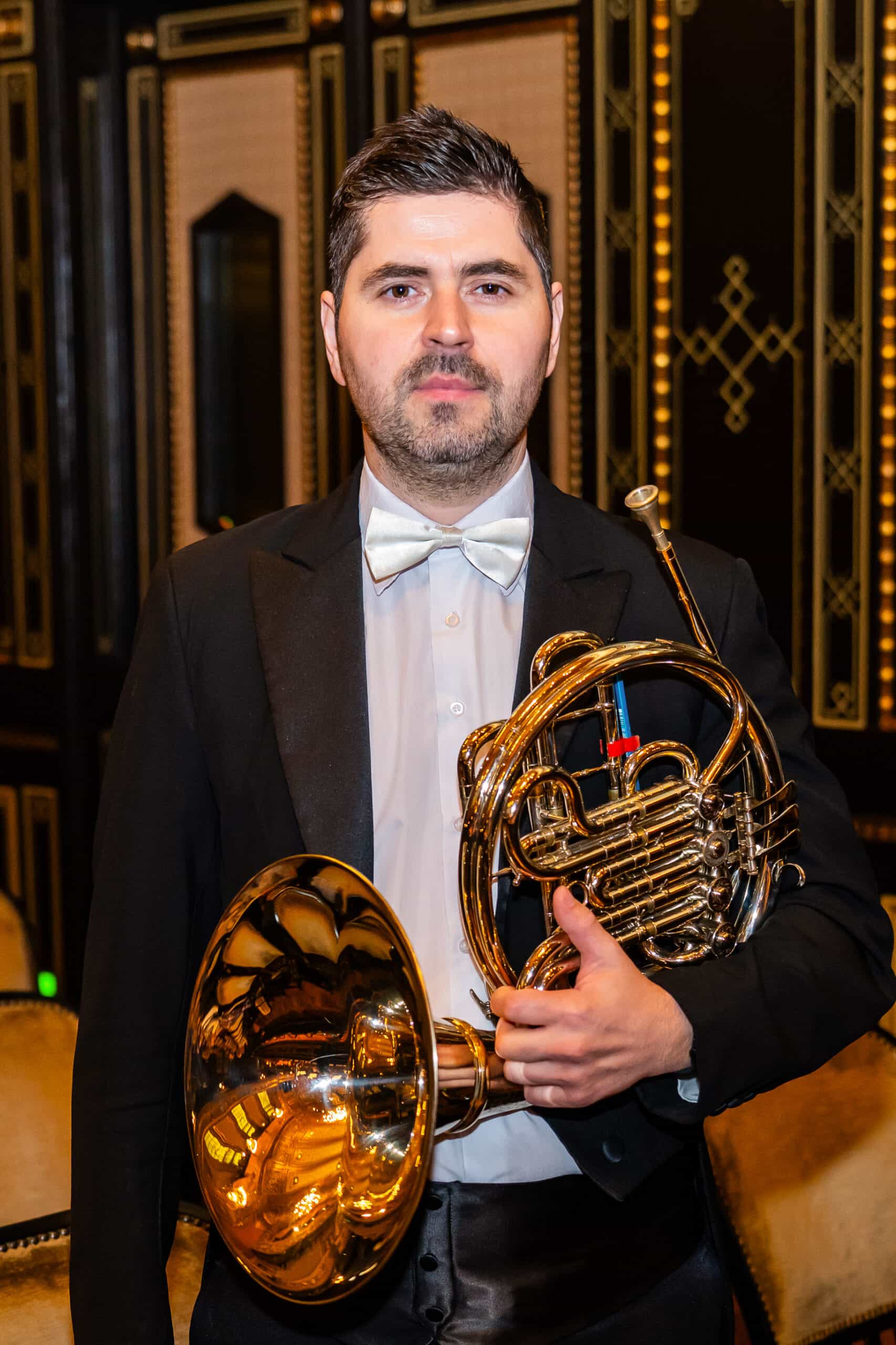
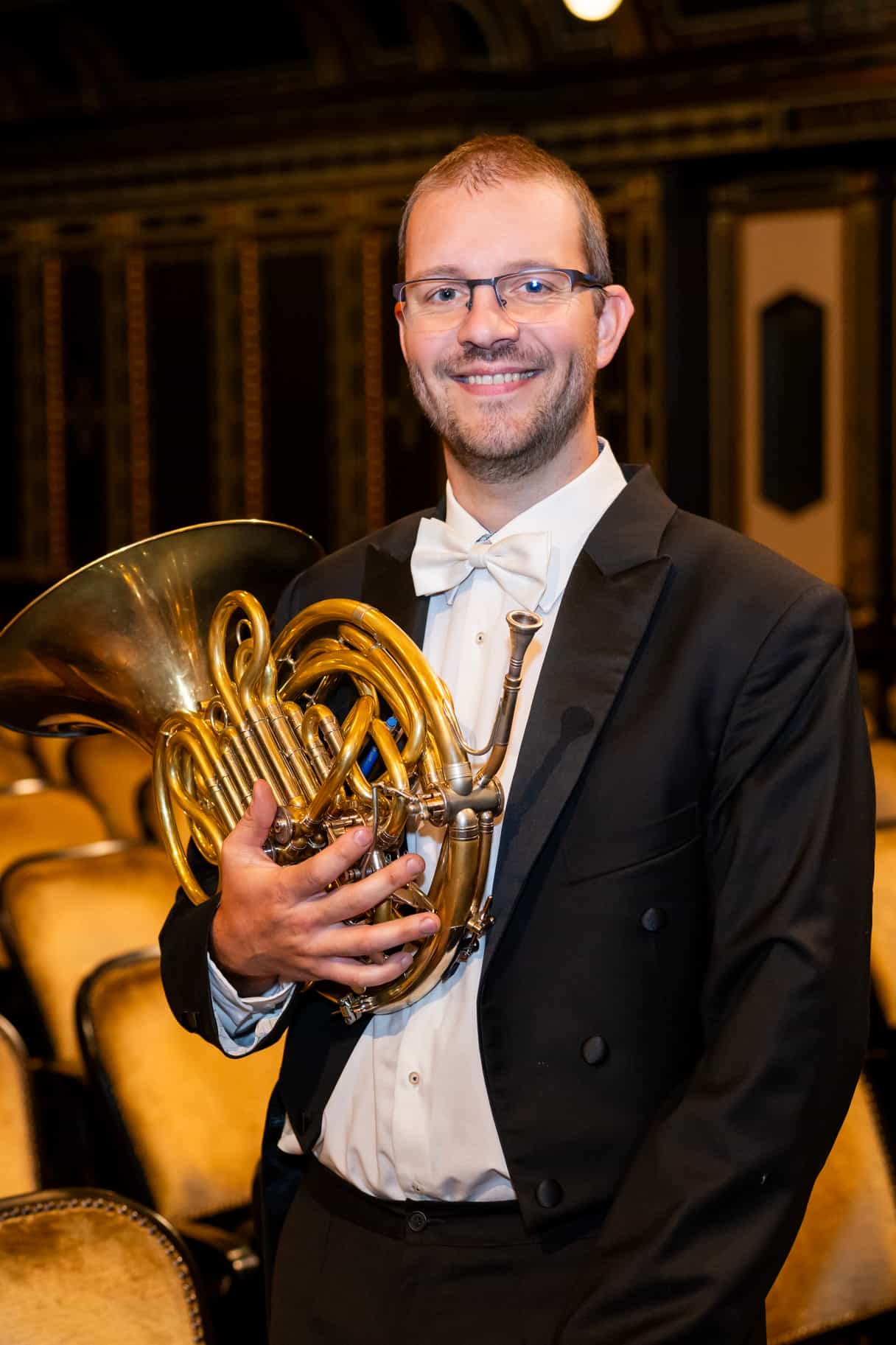
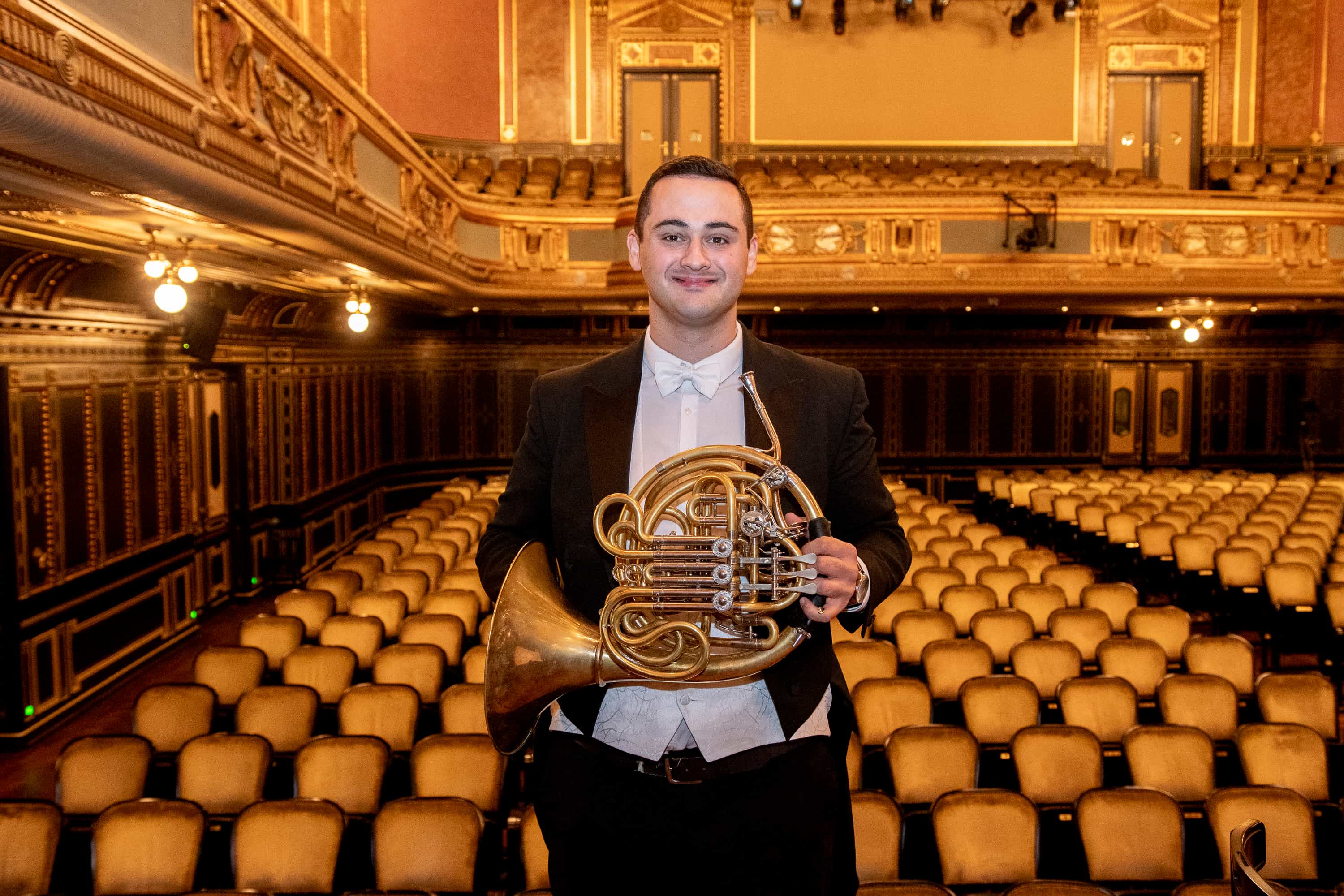
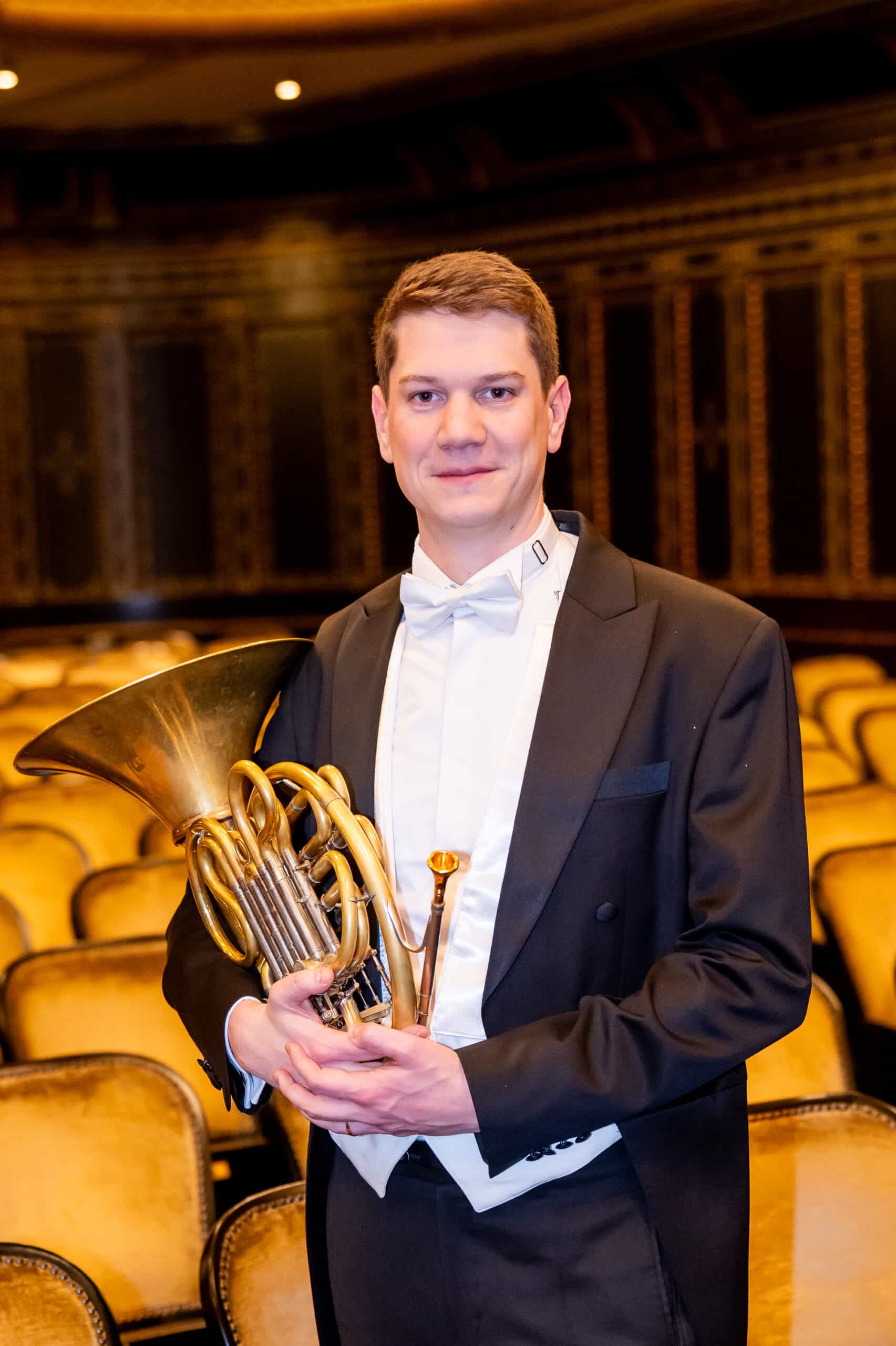
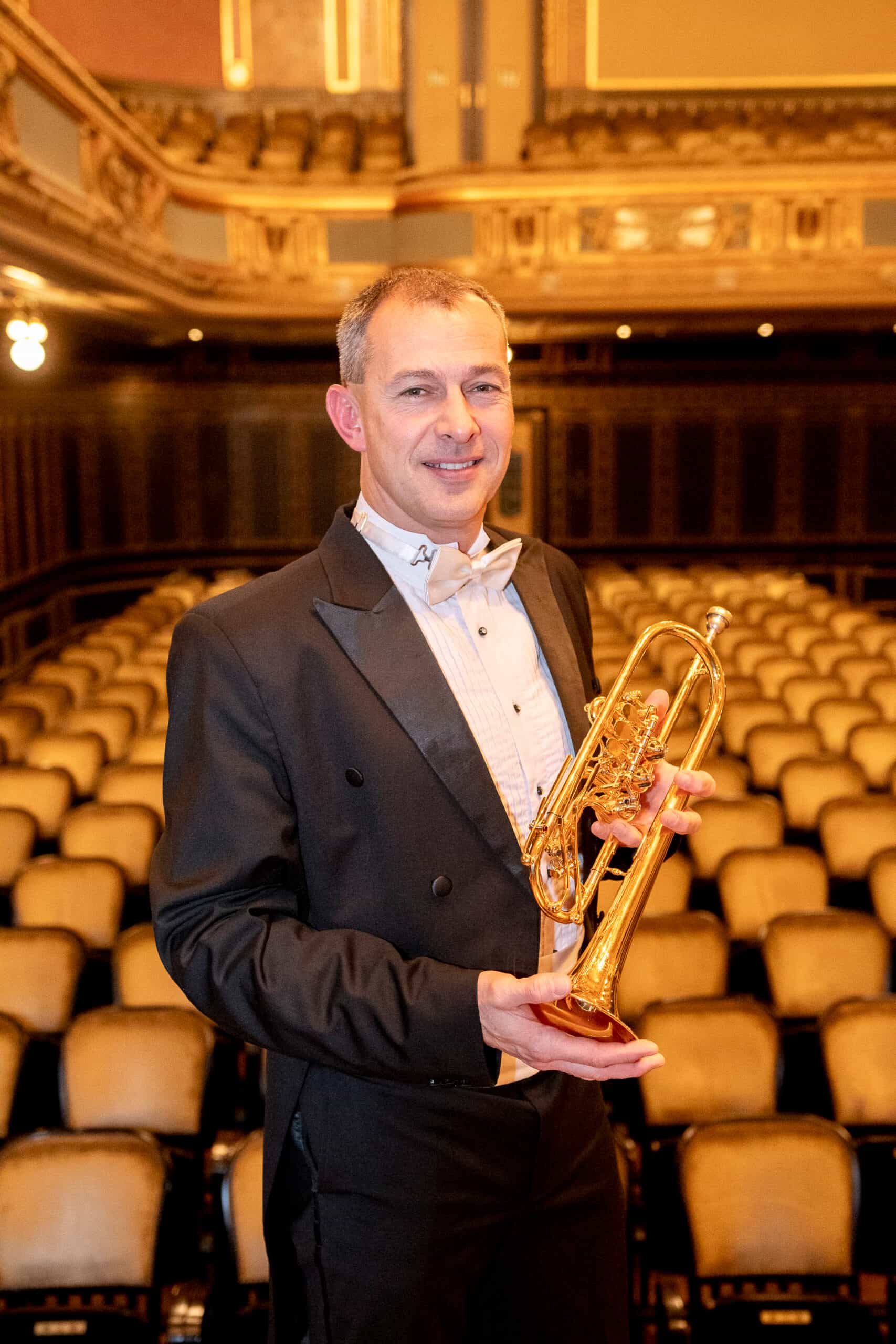
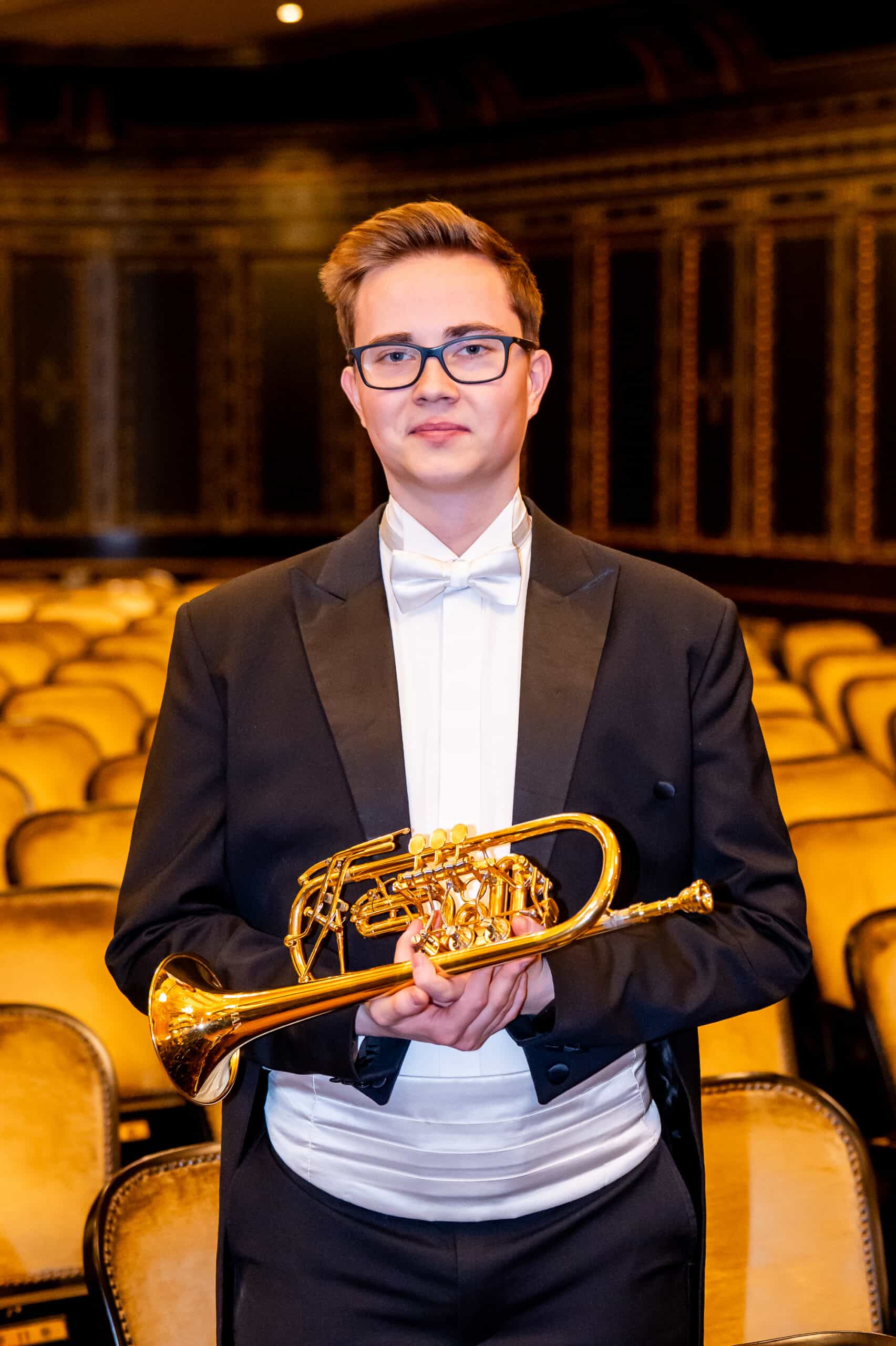
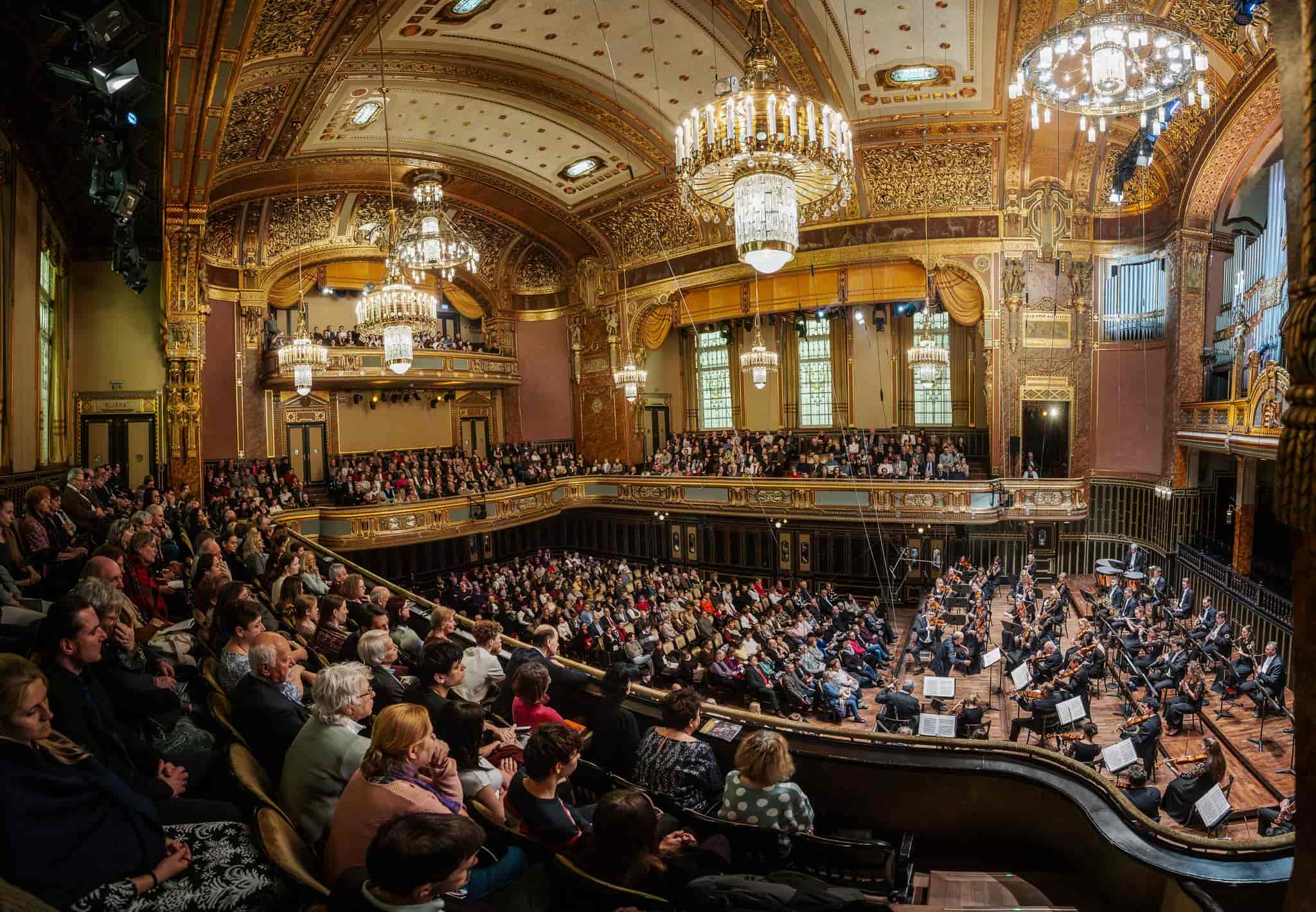
The mission of the MÁV Symphony Orchestra is to share the values of classical music in a vivid, direct, and accessible way for all.
Since its founding, it has believed in music’s power to connect, inspire, and strengthen communities. Its work is grounded in high artistic standards, a diverse repertoire, and consistent quality, enriched by a close relationship with audiences and a welcoming atmosphere.
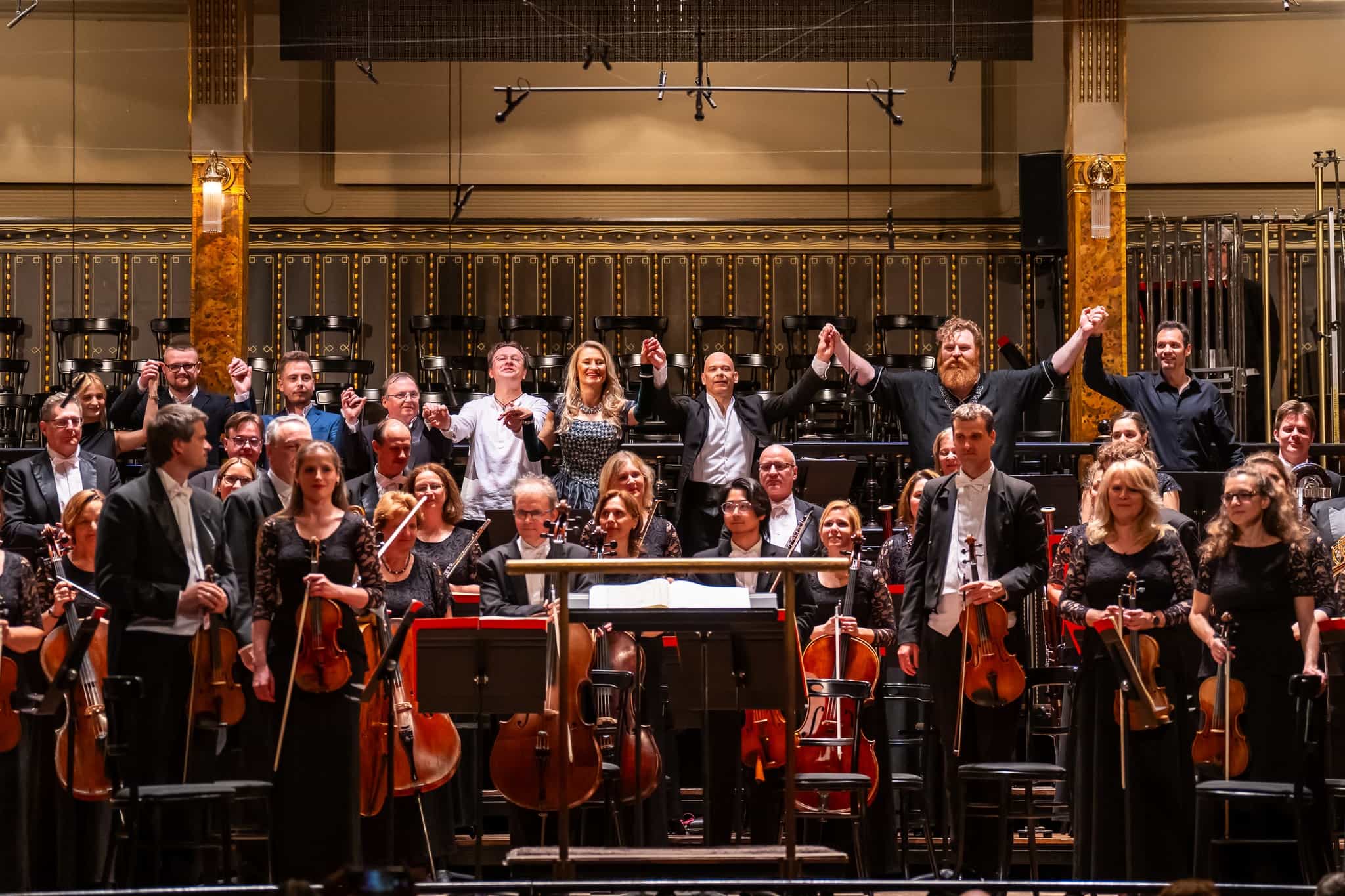
The orchestra places strong emphasis on engaging future audiences, offering musical experiences for all age groups—from young listeners to seasoned concertgoers—while fostering lasting interest in classical music.
Building on nearly eight decades of tradition, it aims to remain open to contemporary challenges and actively represent its values both in Hungary and internationally. Today, it is recognized among the country’s leading professional orchestras, with a repertoire spanning from Baroque to contemporary works and an audience of over 50,000 annually, reaching even more through broadcasts.
The mission of the MÁV Symphony Orchestra is to share the values of classical music in a vivid, direct, and accessible way for all.
Since its founding, it has believed in music’s power to connect, inspire, and strengthen communities. Its work is grounded in high artistic standards, a diverse repertoire, and consistent quality, enriched by a close relationship with audiences and a welcoming atmosphere.
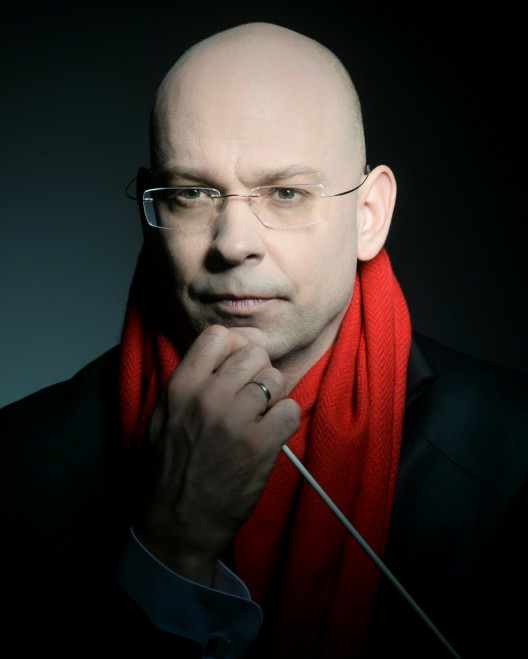
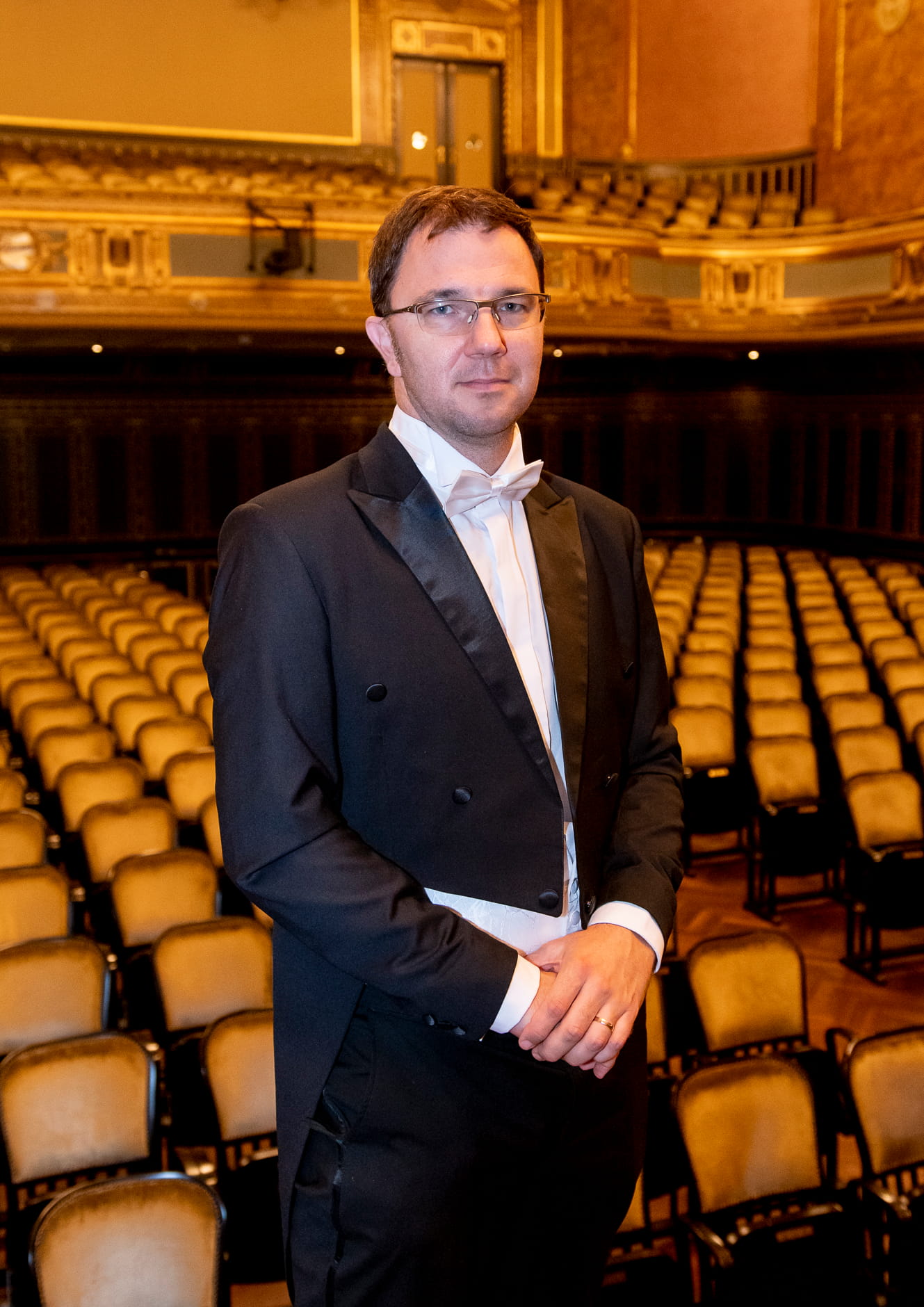
Artistic Director and Chief Conductor
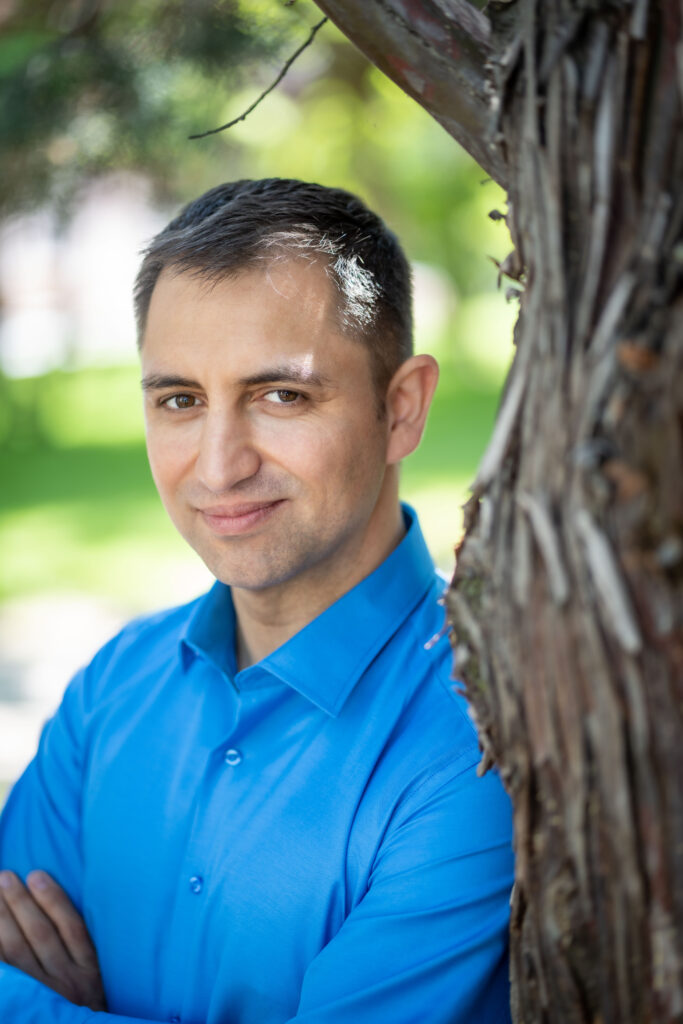
Hungarian/German conductor Róbert Farkas, Chief Conductor of the MÁV Symphony Orchestra in Budapest since September 2021, Artistic Director for MUZIKA, at Theater Hagen, Germany, captured the attention of the classical music world when he won the third prize of the International Lovro von Matačić competition, as well as the Opera Award and the Special Award of the Croatian Composer's Society (HDS) in 2011. Since then, he conducted on a regular basis and developed strong artistic ties to such orchestras as the Hungarian National Philharmonic, the Hungarian Radio Symphony Orchestra and the Danubia Orchestra in Budapest. Most recently another meaningful and regular co-operation connects him to the Banatul State Philharmonic orchestra in Timisoara (Romania) where he became principal guest conductor for the season of 2022/23.
Internationally he conducted the NFM Wroclaw Philharmonic, the Zagreb Philharmonic, the Croation Radiotelevision Symphony Orchestra, the National Philharmonic Orchestra in Sofia, the Orquesta Clásica Santa Cecilia in Madrid, also in Germany the Berliner Konzerthausorchester, the Berliner Symphonikert and the Rundfunk-Sinfonieorchester Berlin. In 2022 he will conduct his Austrian Debut in Salzburg with theh Hungarian National Philharmonic
Apart from several classical operas like Cosi fan tutte, La Traviata or Die Entführung aus dem Serail, he also conducted modern and contemporary works like Shostakovich's Moskau Tscherjomuschki, Hindemith's Lehrstück, Rihm's Nietzsche opera Dionysos, Peter Maxwell Davies' The Turn of the Tide, Echnaton by Philip Glass and Johannes Harneit's Abends am Fluss and Hochwasser.
Because of his creative and imaginative musical mind, internationally renowned conductors like Iván Fischer, Dmitri Kitajenko and Péter Eötvös, accompany his career as mentors. Many years ago, Maestro Kocsis saw personally that he conducts his Debut with the Hungarian National Philharmonic. Robert Farkas also attended Masterclasses with Bernard Haitink, Gianluigi Gelmetti and Jorma Panula.
Farkas was born in Òzd, Hungary and grew up surrounded by various musical influences and traditions. He then studied Choral Conducting and Music Pedagogy as well Conducting with both Tamás Gál and András Ligeti. In 2006, he was awarded an Erasmus scholarship, which brought him to The University of the Arts in Berlin, where he continued his studies in Conducting with Professor Lutz Köhler until receiving his degree in 2012.
During the year 2013 his collaboration with conductor Iván Fischer started. For several years he worked with him closely at Konzerthausorchester in Berlin and the Budapest Festival Orchestra in Hungary, on tour and at their home series.
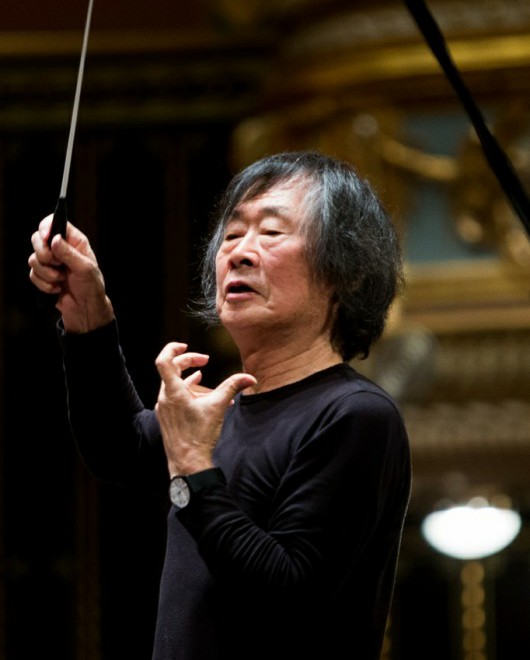
Honorary Guest Conductor
Ken-Ichiro Kobayashi won the International Conductors’ Competition of the Hungarian Television (MTV) in the spring of 1974, more than 40 years ago. The MÁV Symphony Orchestra was the first orchestra that he directed outside his home country, thereby starting his international career. The Maestro has been on a roll ever since, but he still has a special connection to our orchestra. He is our returning guest, whose presence brighten every concert for our audience and is an inspiration for the members of our orchestra. He directed dozens of MÁV Symphony Orchestra concerts in our different series, on numerous occasions in Japan, thereby enhancing the reputation of our country and the founder of our orchestra
On the spring of 2014, Kobayashi celebrated the 40th anniversary of winning the MTV Conductors’ Competition with a large-scale concert series. He gave seven concerts in three weeks in Hungary, with the participation of the most famous Hungarian philharmonics. He directed our orchestra on the gala concert of the series, where the president and chief executive officer of MÁV Zrt., Ilona Dávid awarded Ken-Ichiro Kobayashi the prestigious ‘Vasútért’ prize.
The MÁV Symphony Orchestra deeply values the Master’s friendship. As a token of mutual appreciation, since the 2014-15 season, we welcome him to the podium as honorary guest conductor.
Permanent Guest Conductor
He was born in Budapest in 1971. He graduated from Piarist Secondary Schoolof Budapest in 1989 and obtained his degree in conducting at Ferenc Liszt Academy of Music as a student of Ervin Lukács in 1995. During his years as an undergraduate he took part in Yuri Simonovs Master classes twice. He won third price at the Arturo Toscanini International Conducting Competition in Parma (1994) and at the Hungarian Television International Conductors Competition in Budapest (1995).
1993-tól rendszeresen vezényli Magyarország vezető szimfonikus zenekarait: a Nemzeti Filharmonikus Zenekart, a Budapesti Filharmóniai Társaság Zenekarát, a Magyar Rádió Szimfonikus Zenekarát és a MÁV Szimfonikus Zenekart. 1995 és 1997 között a Magyar Rádió Ifjúsági Zenekarának vezetője, 1997-től a Miskolci Nemzeti Színház operatagozatának alapítója és zeneigazgatója. 2001-től a „Bartók +” Nemzetközi Operafesztivál alapító zeneigazgatója, 1994-től a Magyar Állami Operaház vendégkarmestere, 2001-től karmestere. 2004-től a Budafest Nyári Nemzetközi Opera és Balett Fesztivál művészeti igazgatója, 2005-től 2012-ig a Szegedi Szabadtéri Játékok művészeti igazgatója.
Since 2011 he has been Director of the Bartók+ Opera Festival. In 2013 he founded the Bartók+ Opera Composition Competition. Since 2016 he has been principal conductor of the Hungarian State Opera. He has worked as a guest conductor in several countries
(Ukraine, Romania, Austria, Italy, France, Spain, Egypt, Japan, Chile, Peru, Oman, China). Since 1999 he has been active as a stage director, as well, and has staged Verdi's Rigoletto, Donizetti's L'elisir d'amore, Bartók's Duke Bluebeard's Castle, Puccini's Turandot; Tosca and Verdi's Nabucco. The production of Don Giovanni directed by him ran for 8 years at the Hungarian State Opera House. In 2005 he was awarded the Liszt Prize. In 2012 he became a Meritorious Artist.
Gergely Kesselyák has been the conductor of the MÁV Symphony Orchestra since September 2010.
Permanent Guest Conductor
He was born in 1956, and became world-famous by the string quartet associated with his name. The quartet received a scholarship to Colorado in the United State, and its members settled there. Gábor Takács-Nagy left the quartet in 1992 and moved back to Europe. Since then, he has been living in Switzerland and is a professor at the Haute école de musique Genève – Neuchâtel (Geneva HEM). Besides, he is teaching chamber music masterclasses around the world. He also returned to Hungary: Between 1992 and 2001, he regularly played in the Budapest Festival Orchestra as a guest concertmaster. From 1999, he played in his newly established string quartet, Mikrokosmos, with which they recorded all of Bartók’s string quartets for the Bartók series of the Hungaroton Record Production company.
He has been conducting since 2002, debuting in Switzerland at the Sion Festival. He became the Music Director of the Verbier Festival Chamber Orchestra (Switzerland) in 2007. From 2011, he has been the chief conductor of the Manchester Camerata. In the MÁV Symphony Orchestra, he has been directing the workshops of the string musicians and the new chamber orchestra series of the ensemble since 2005. He became the first guest conductor of our orchestra in September 2008, and between September 2010 and June 2012, he was the chief conductor and music director of the MÁV Symphony Orchestra. Between 2014 and 2016, he was a guest conductor at the Budapest Festival Orchestra.
He has been the permanent guest conductor of the MÁV Symphony Orchestra since 2018.
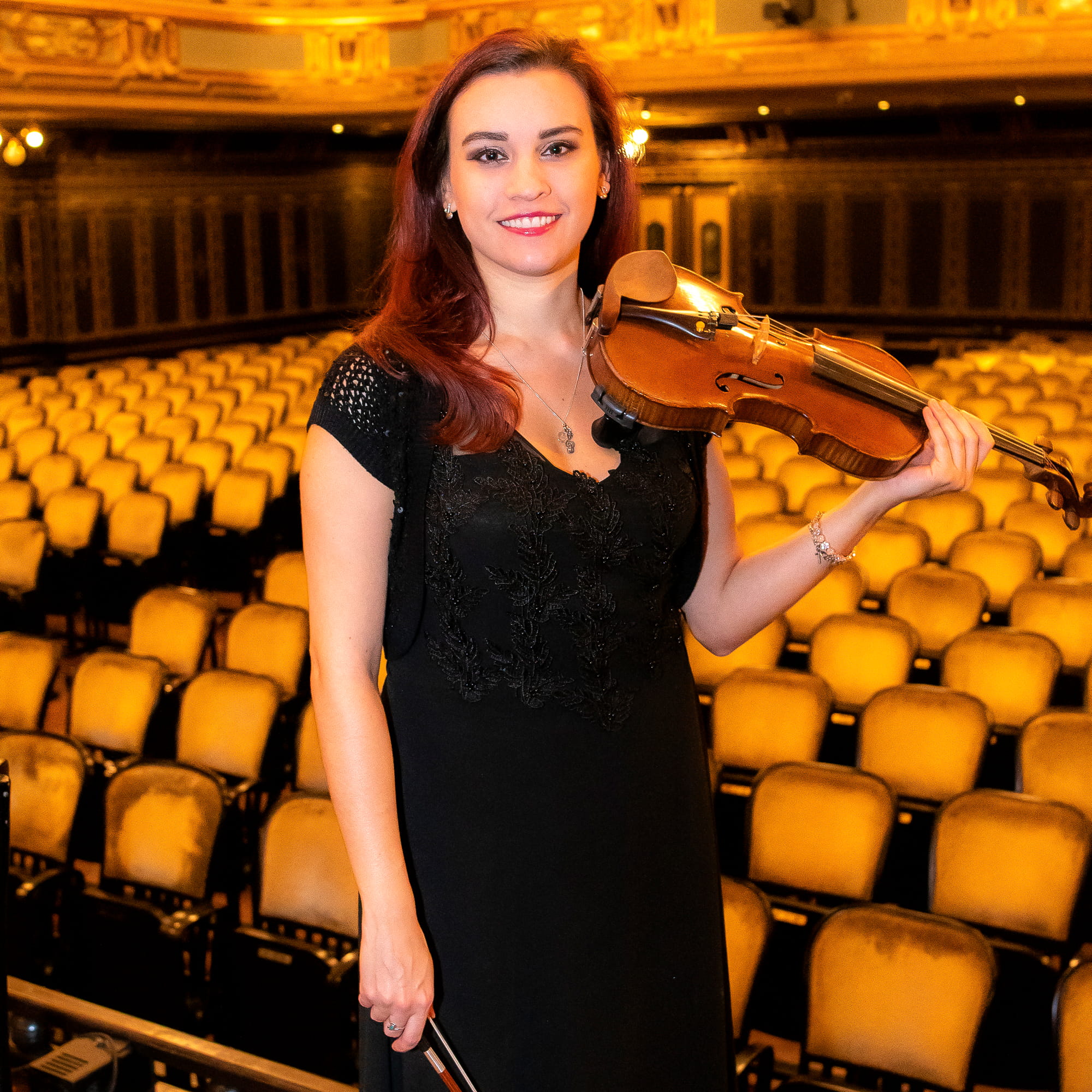
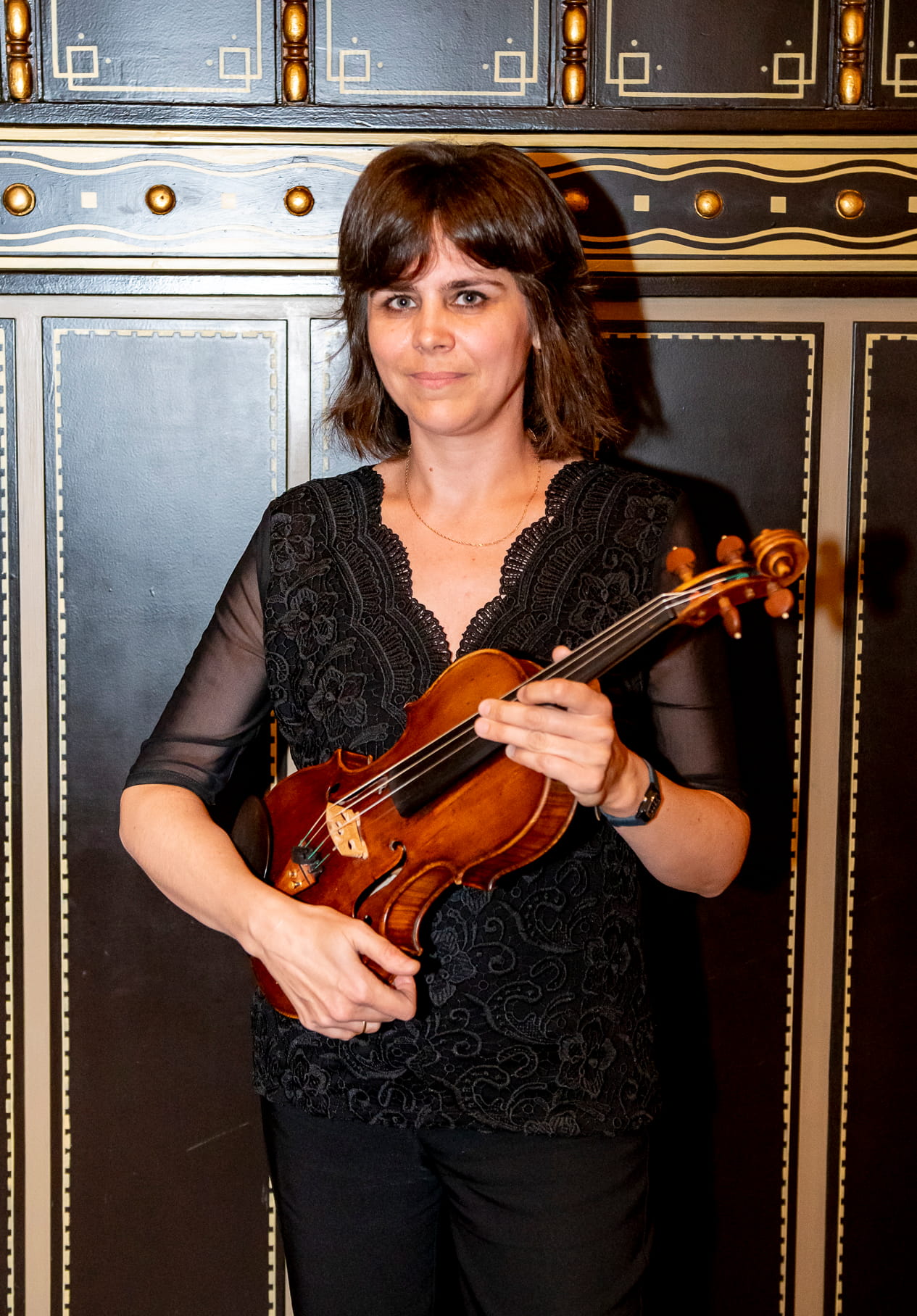
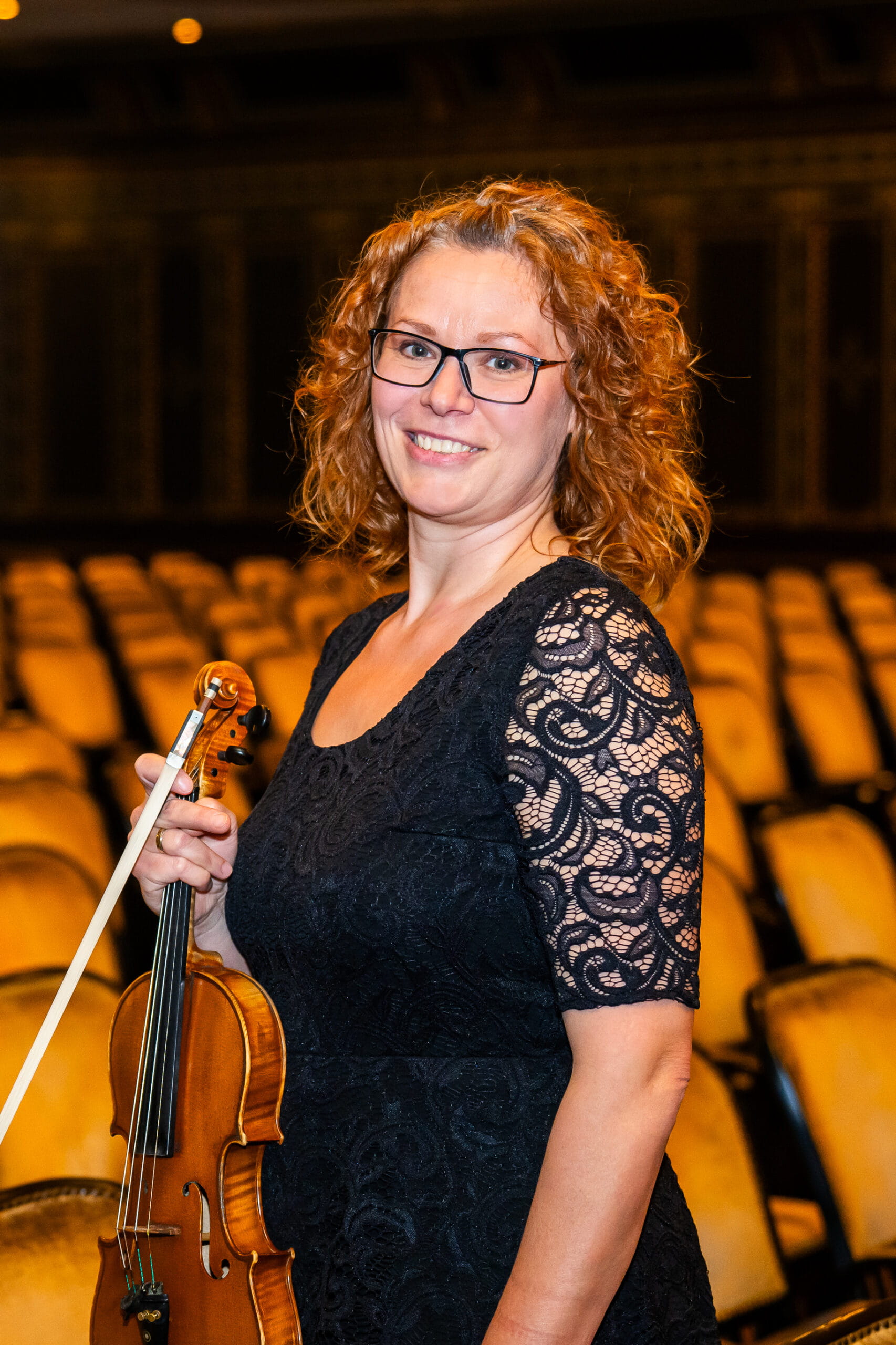
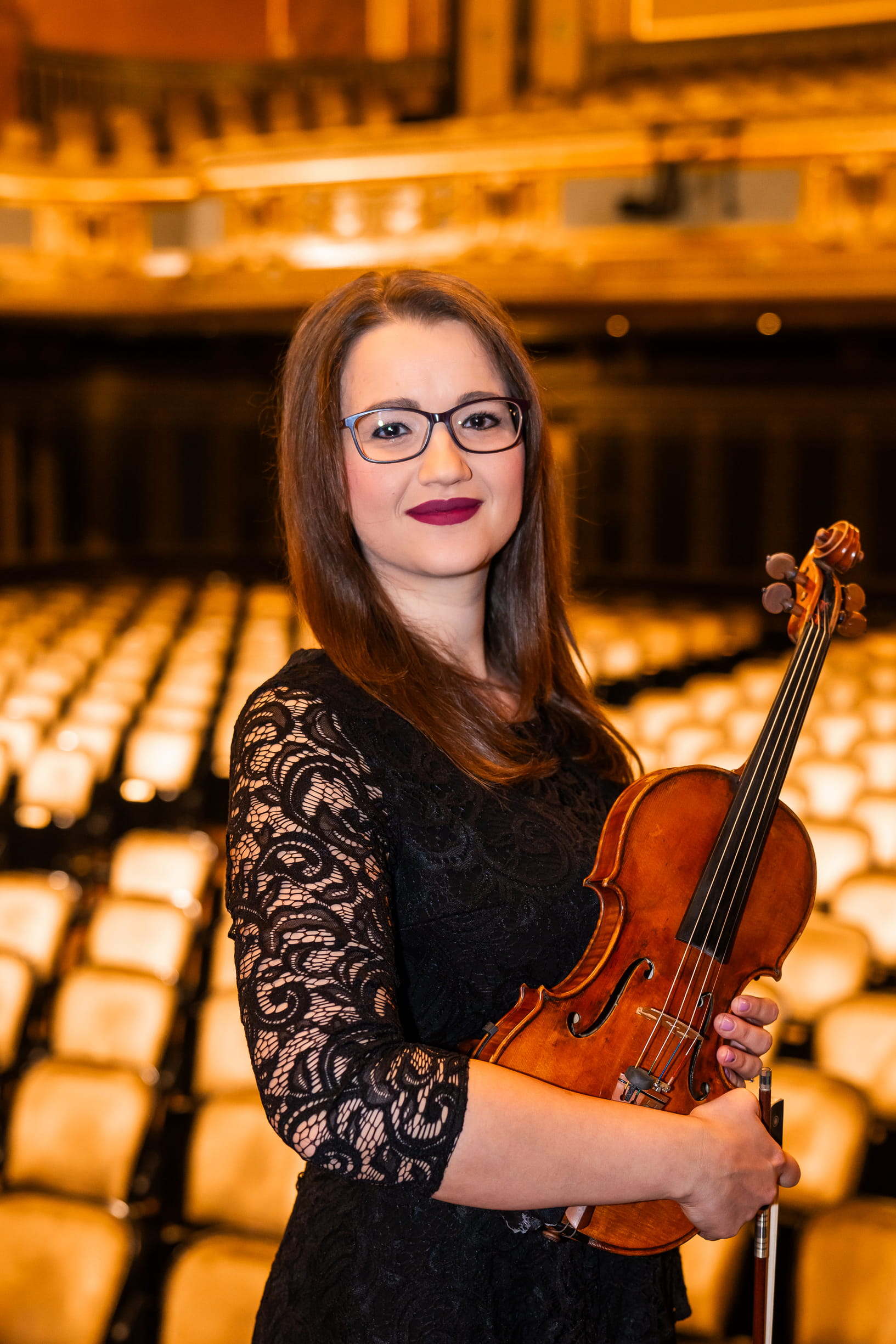
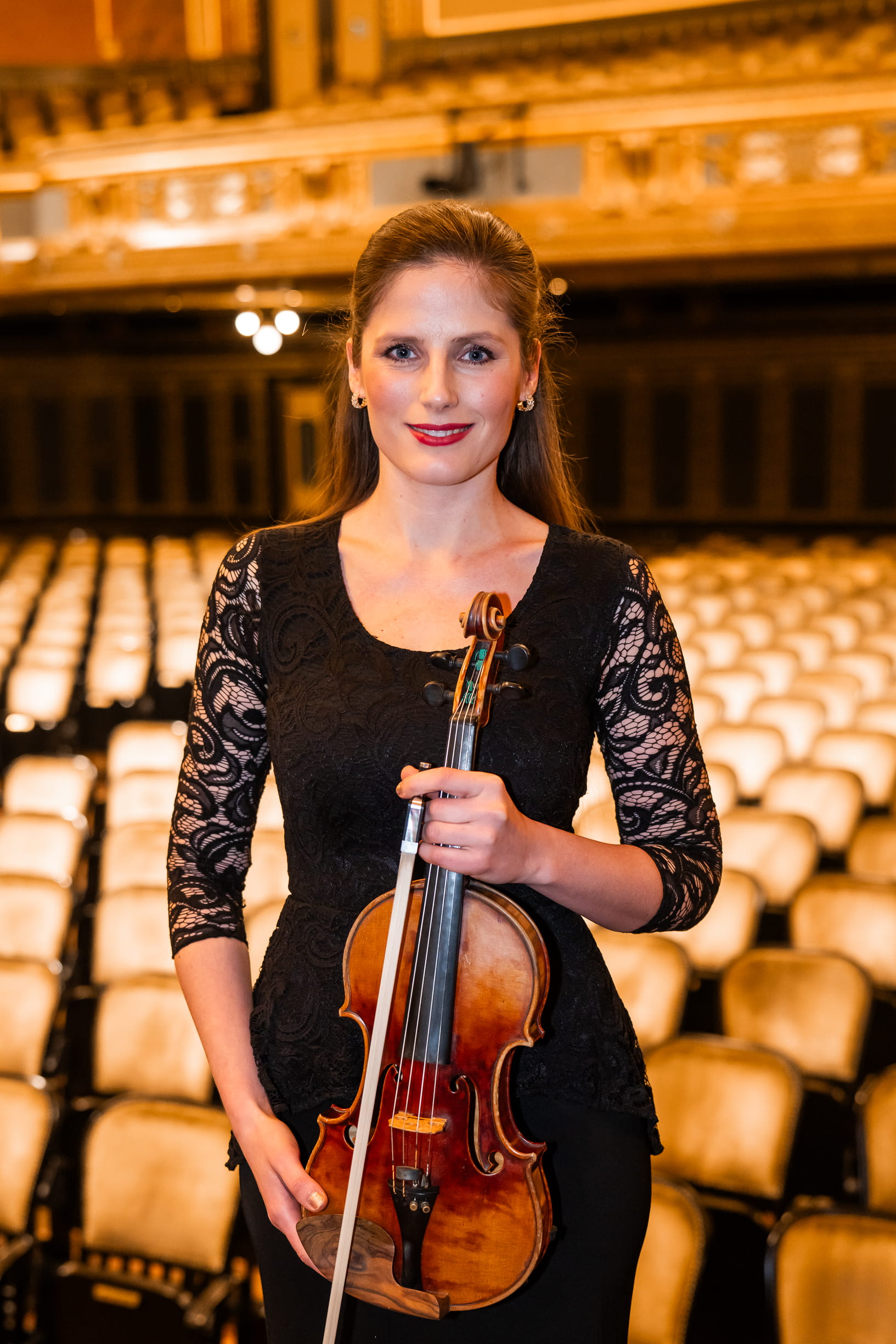
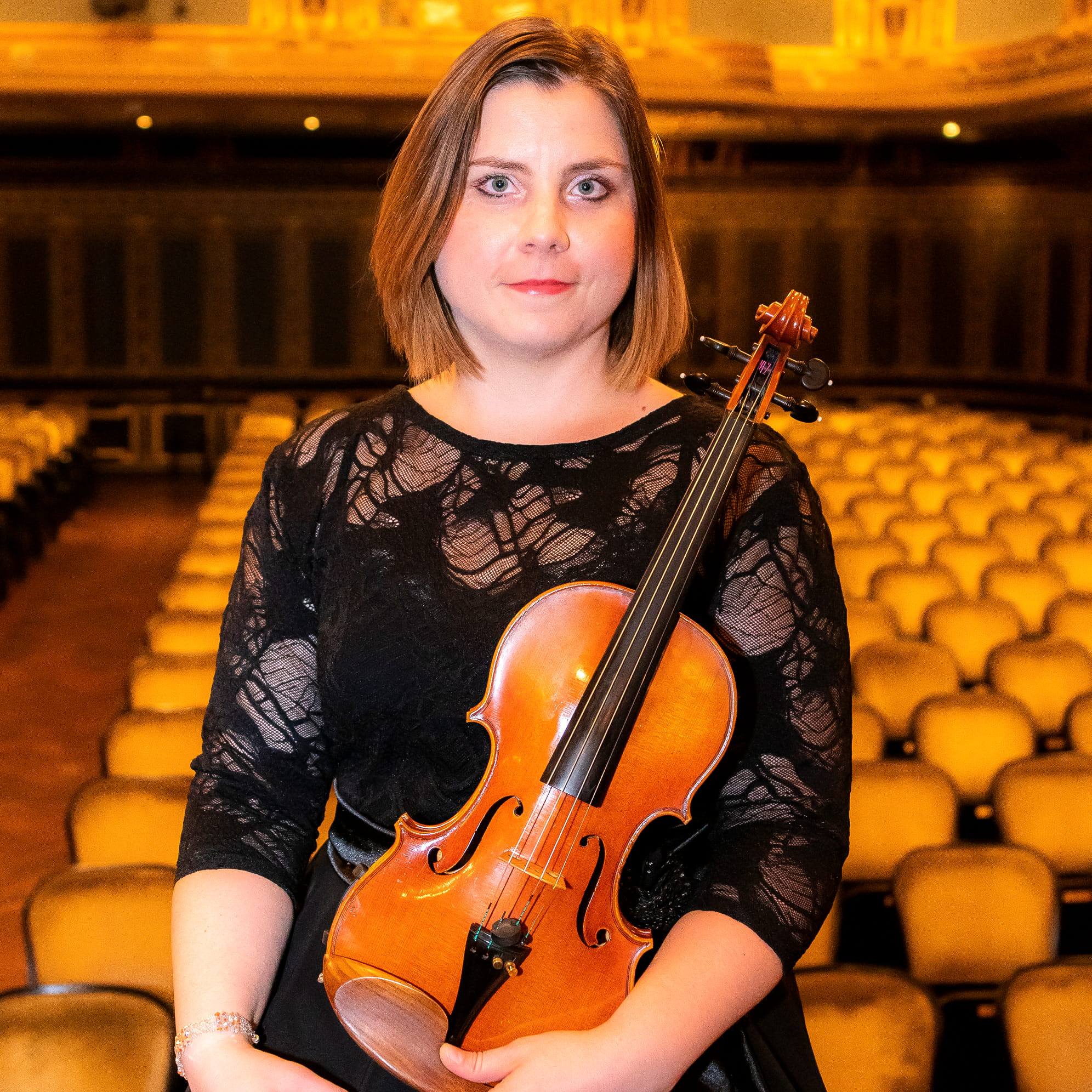
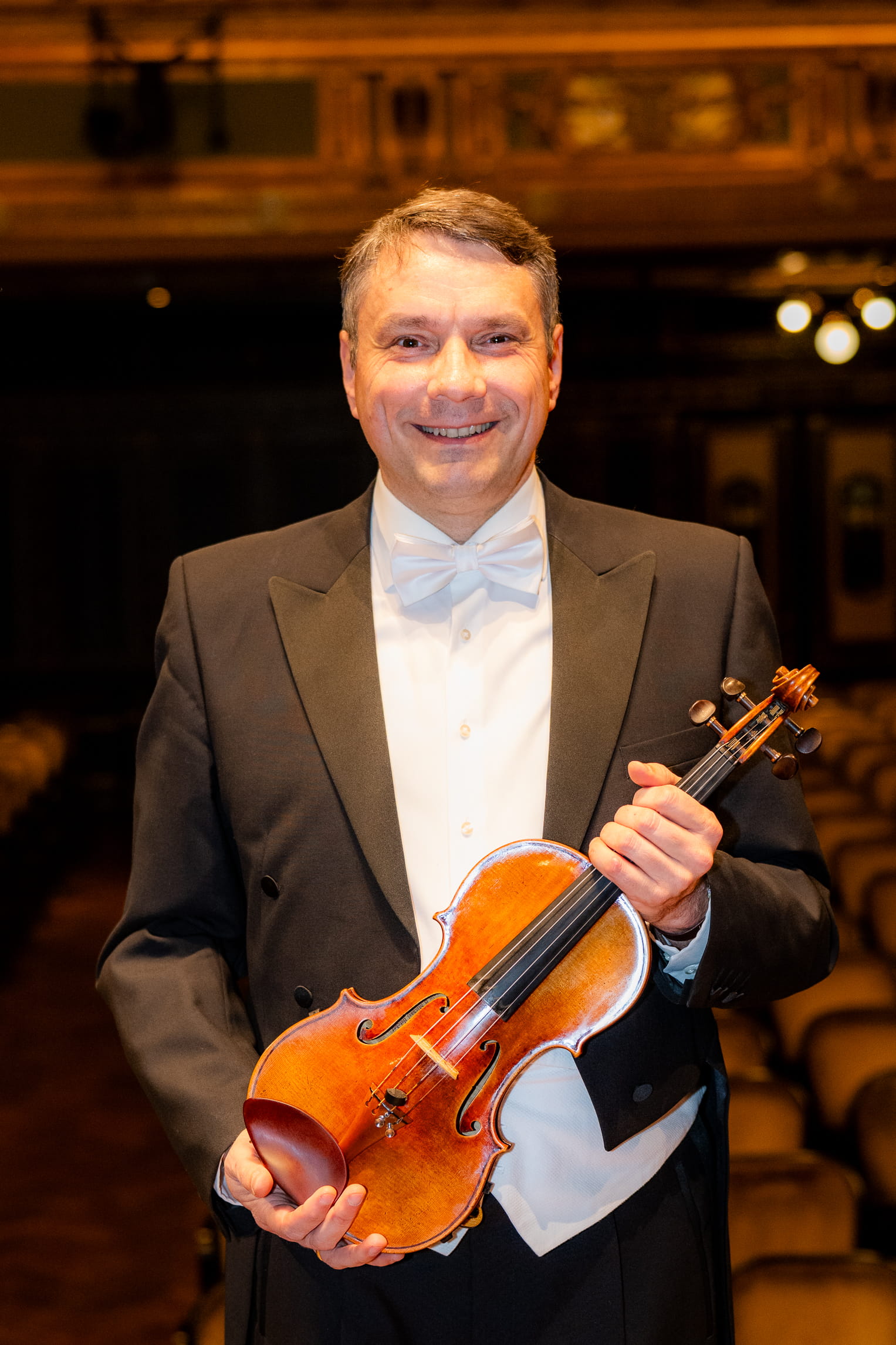
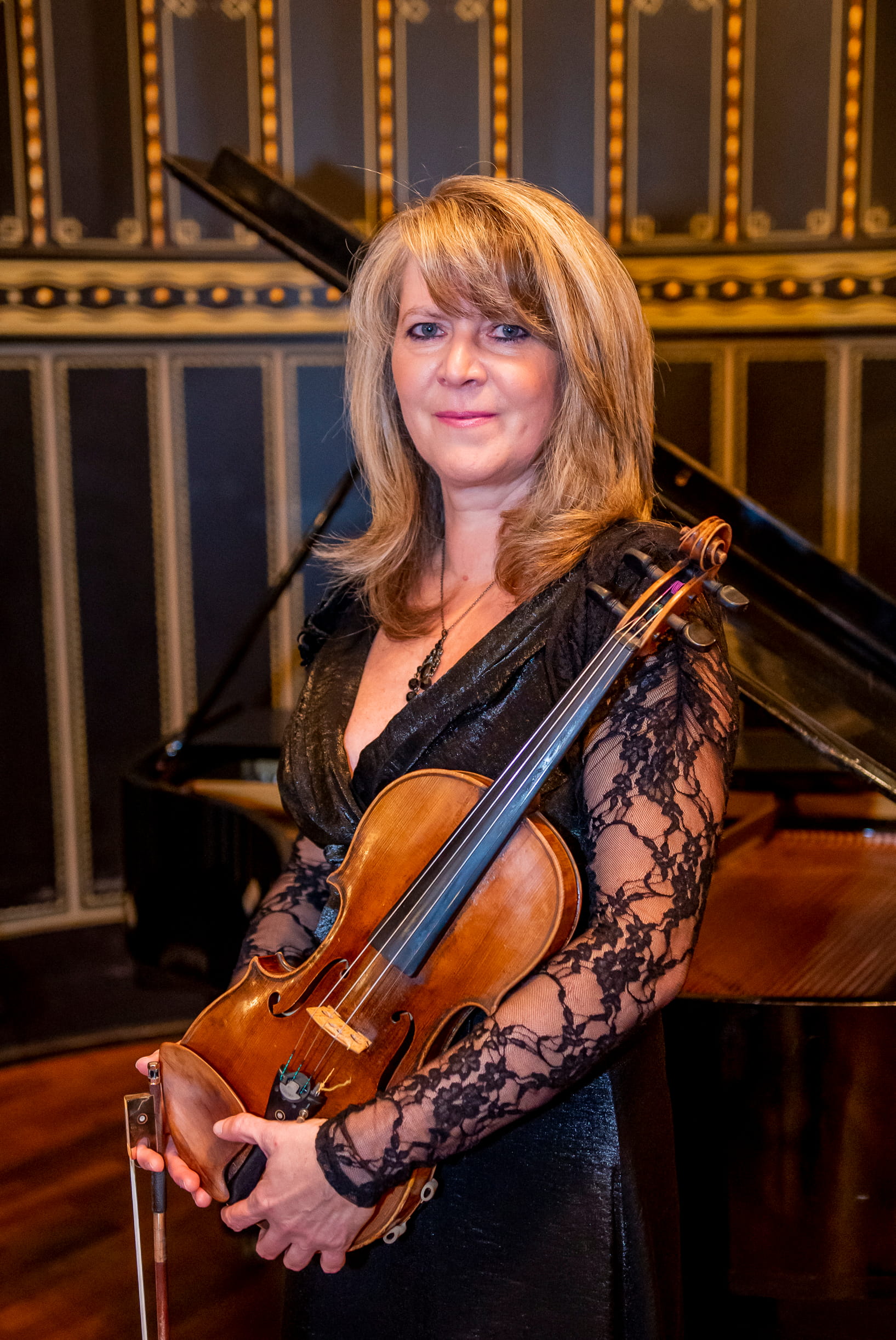
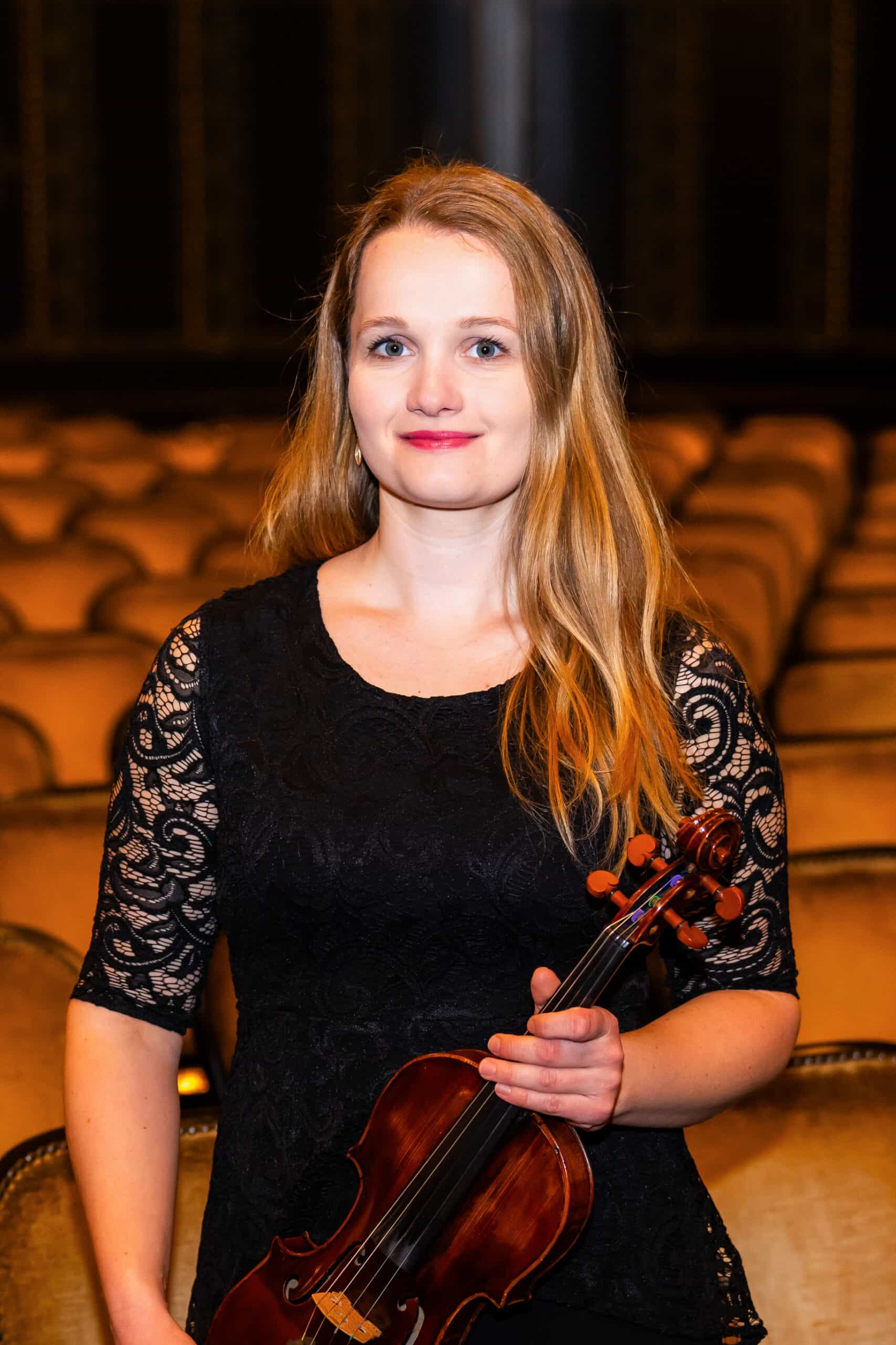
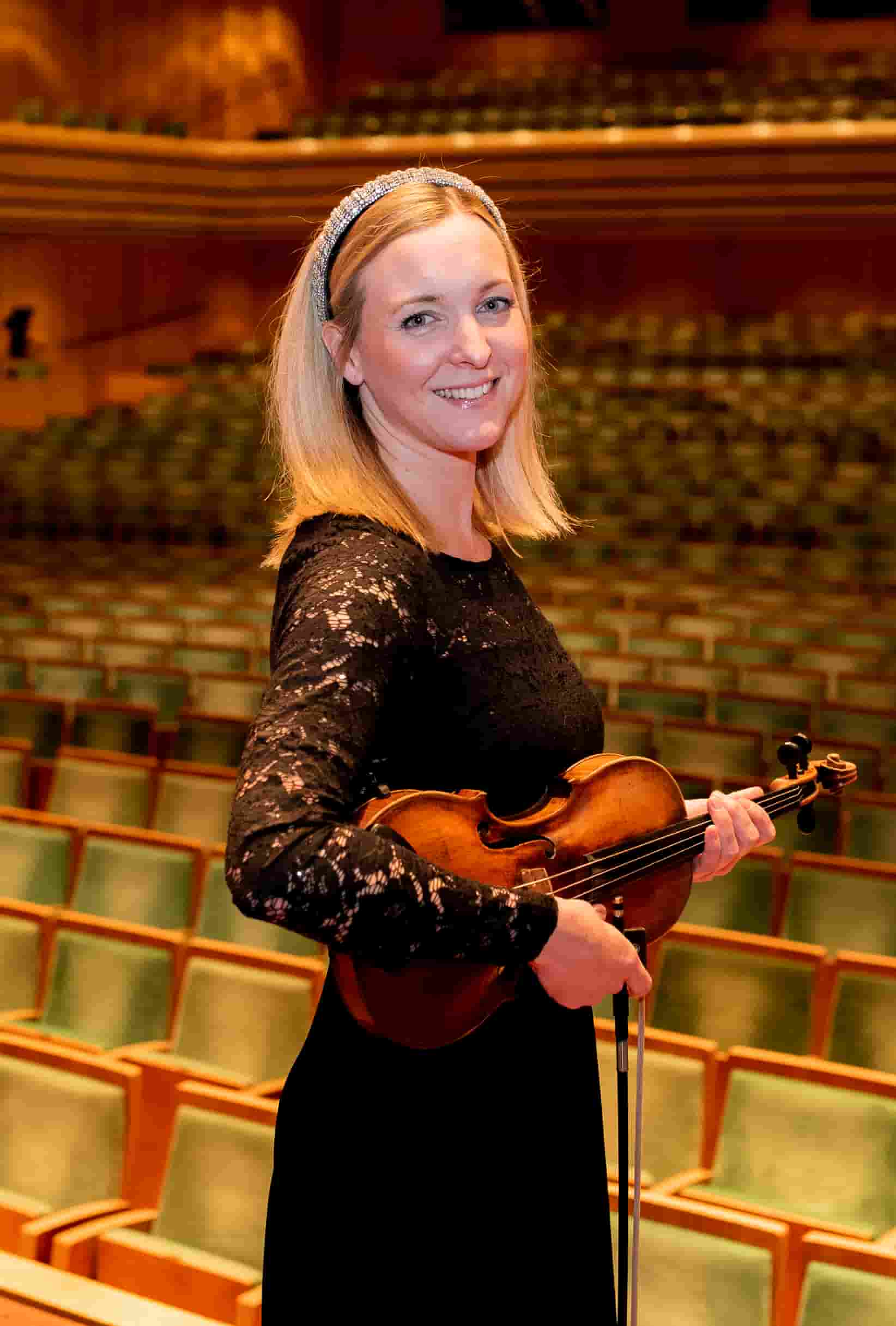
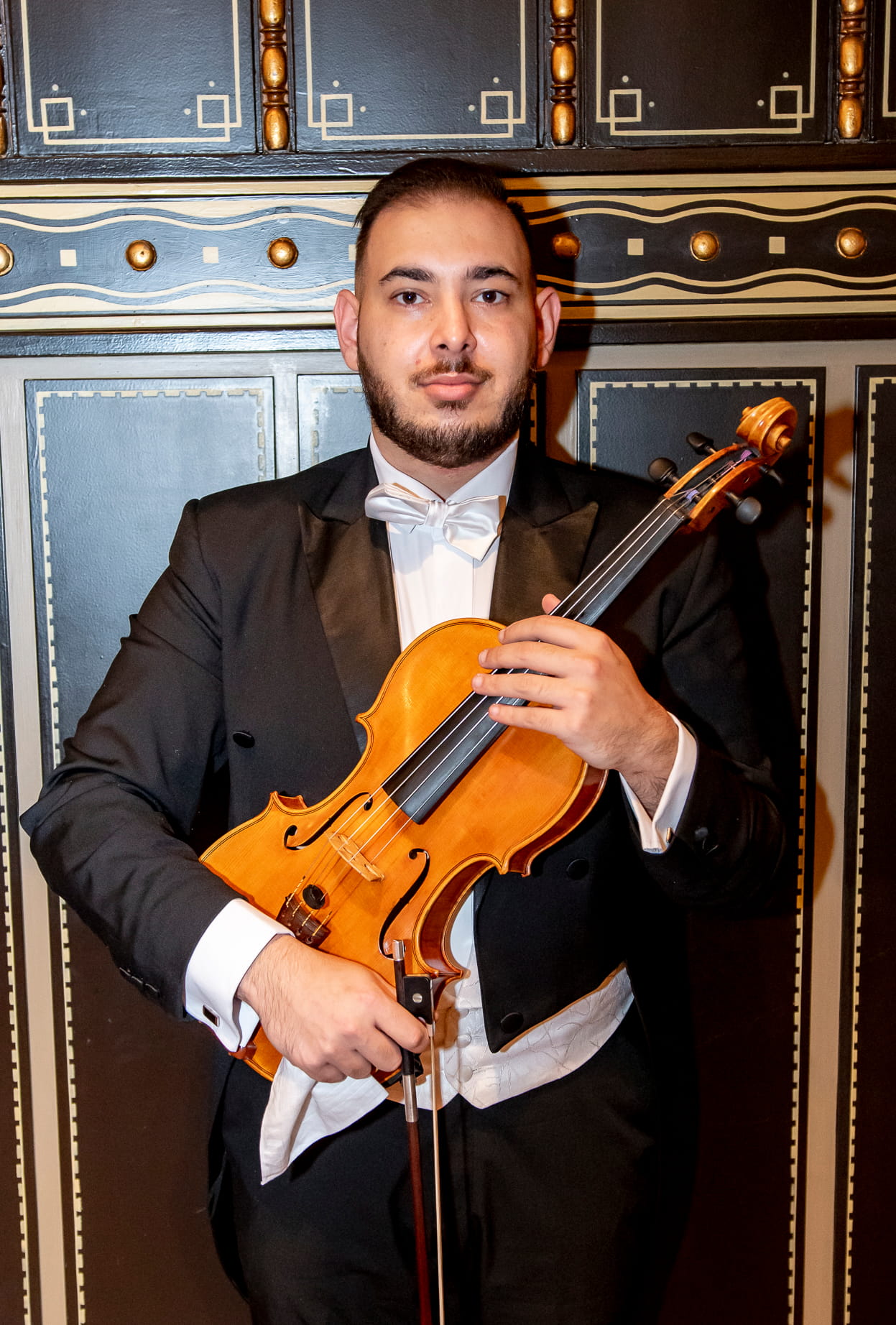
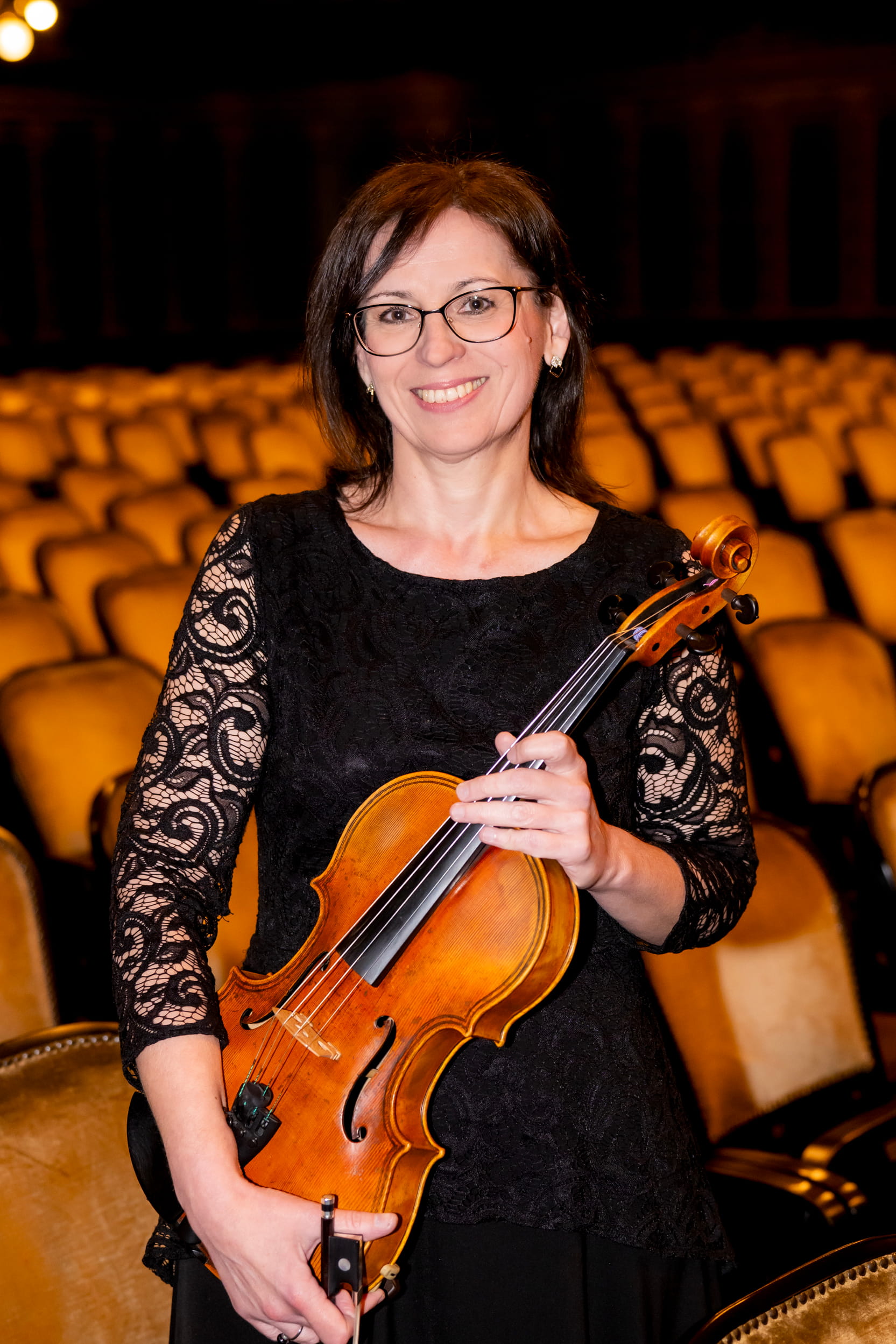
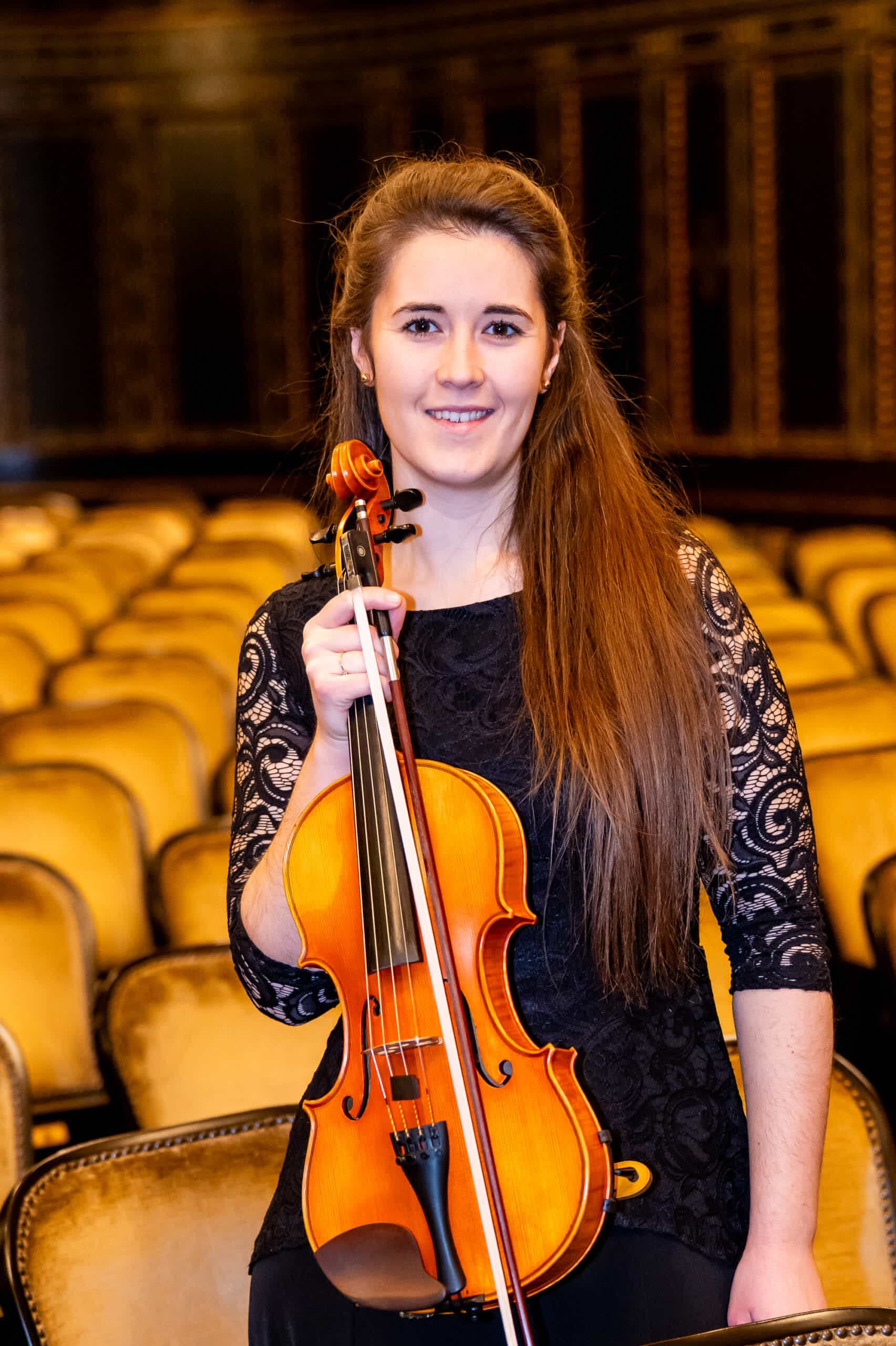
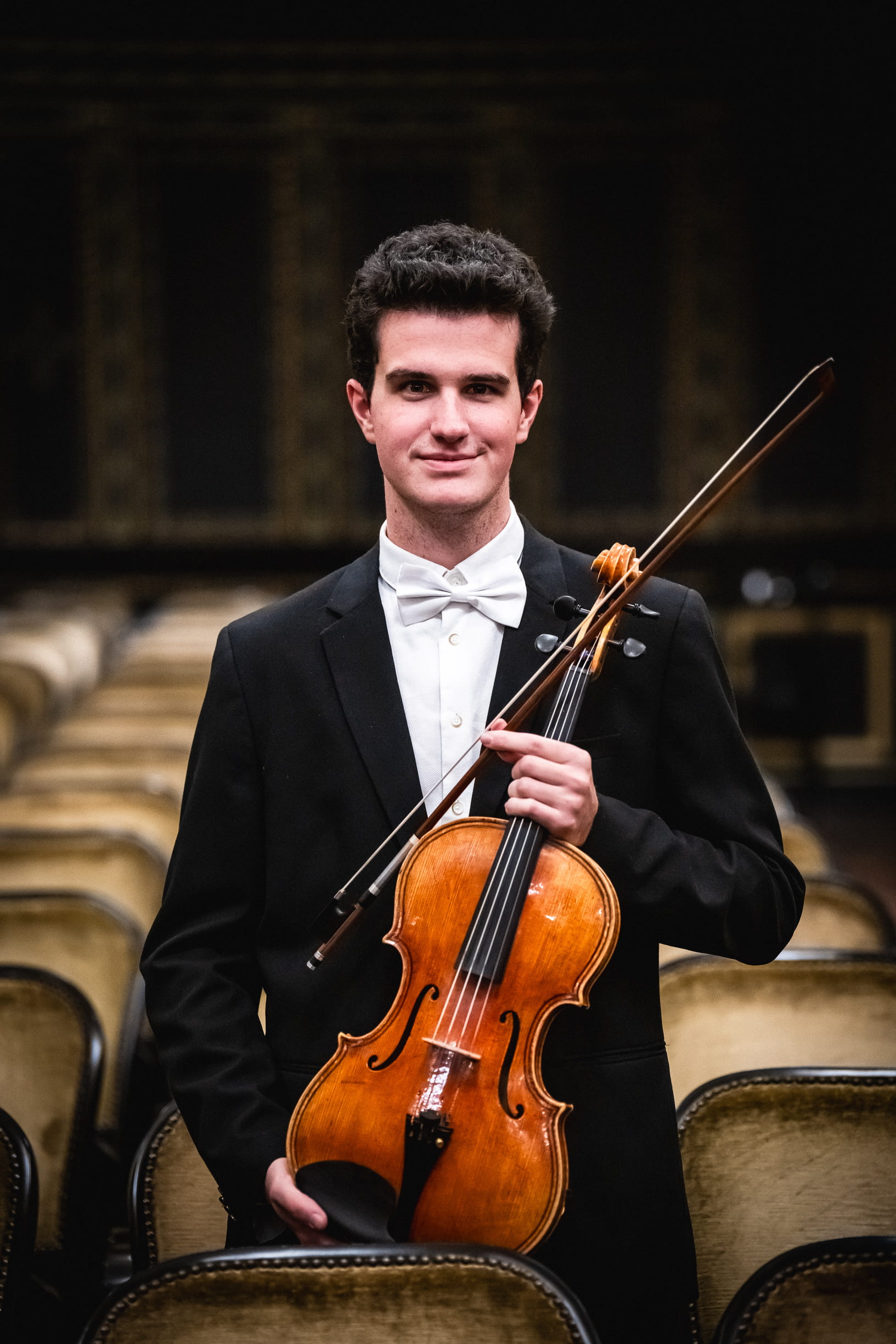
koncertmester-helyettes
szülési szabadságon
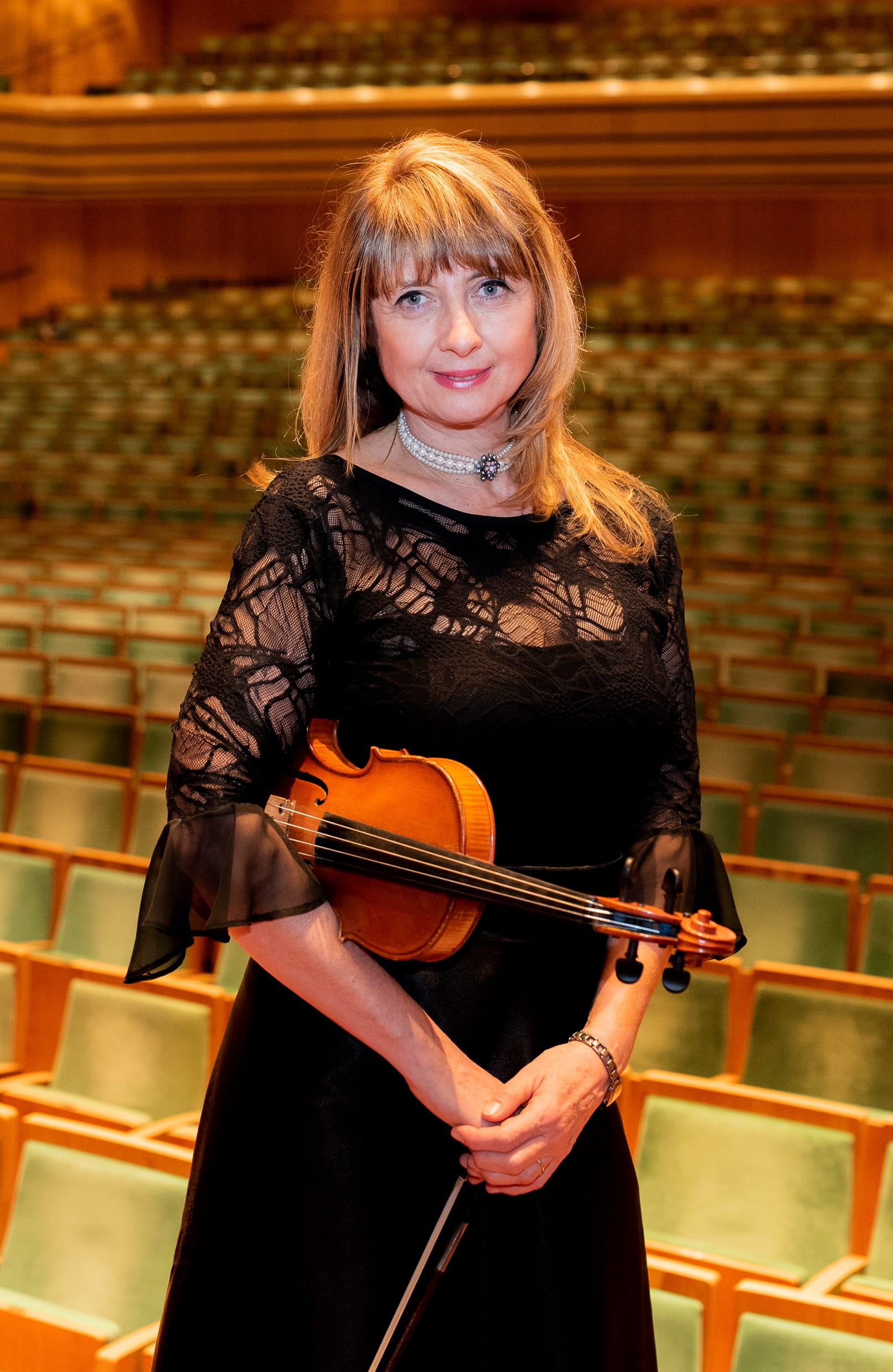
koncertmester
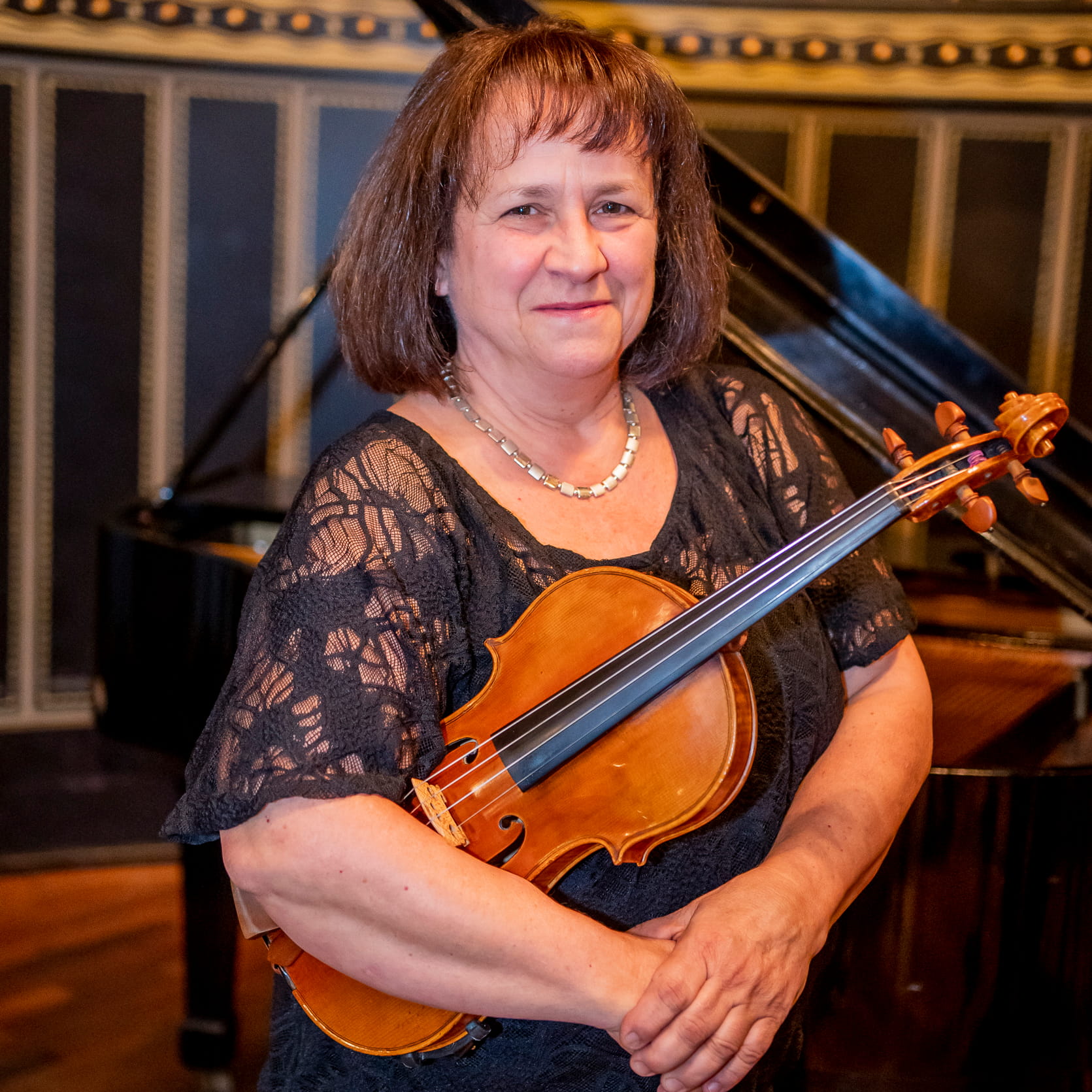
koncertmester
koncertmester
szólamvezető
szólamvezető
szólamvezető
szólamvezető
szülési szabadságon
szólamvezető
szólamvezető
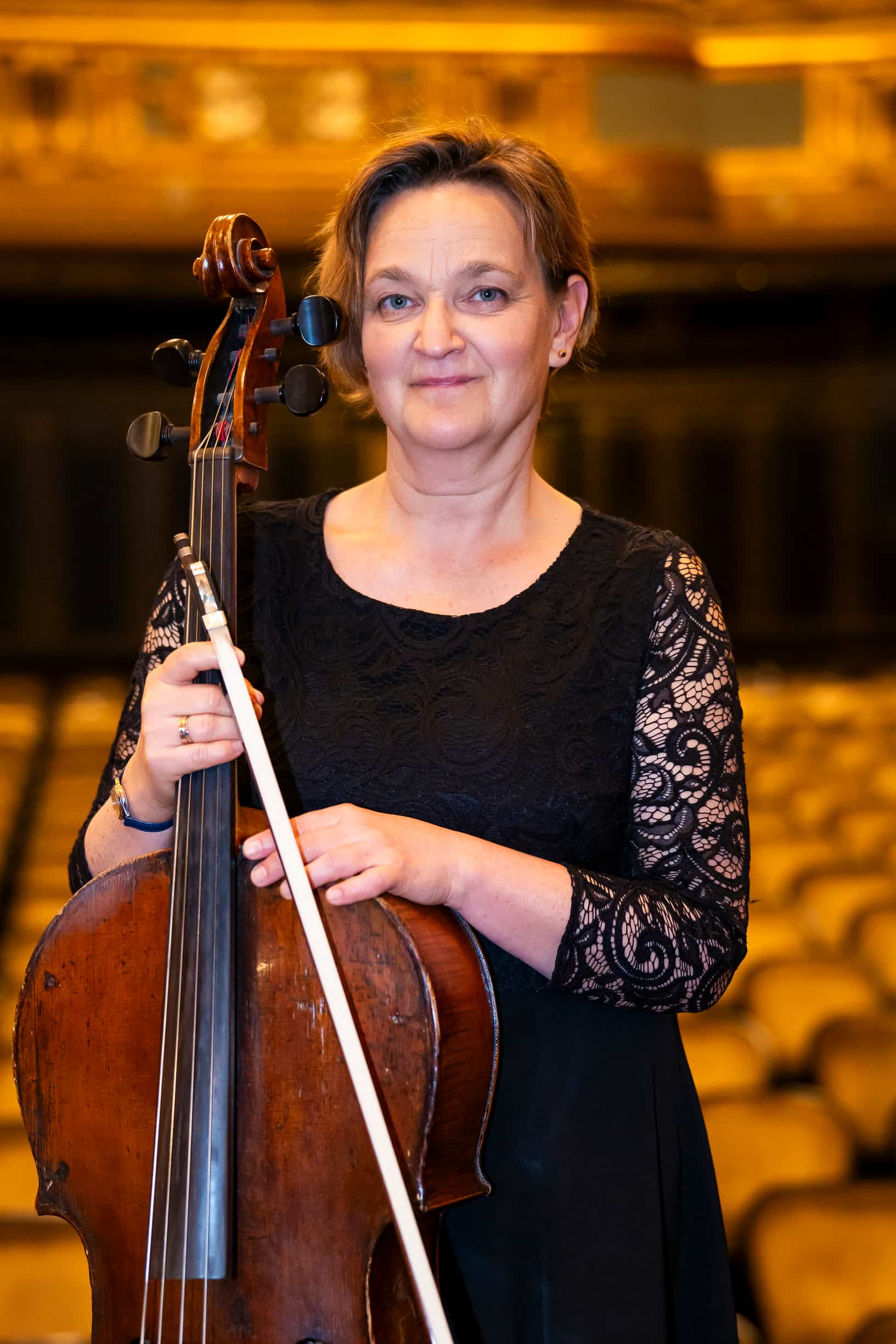
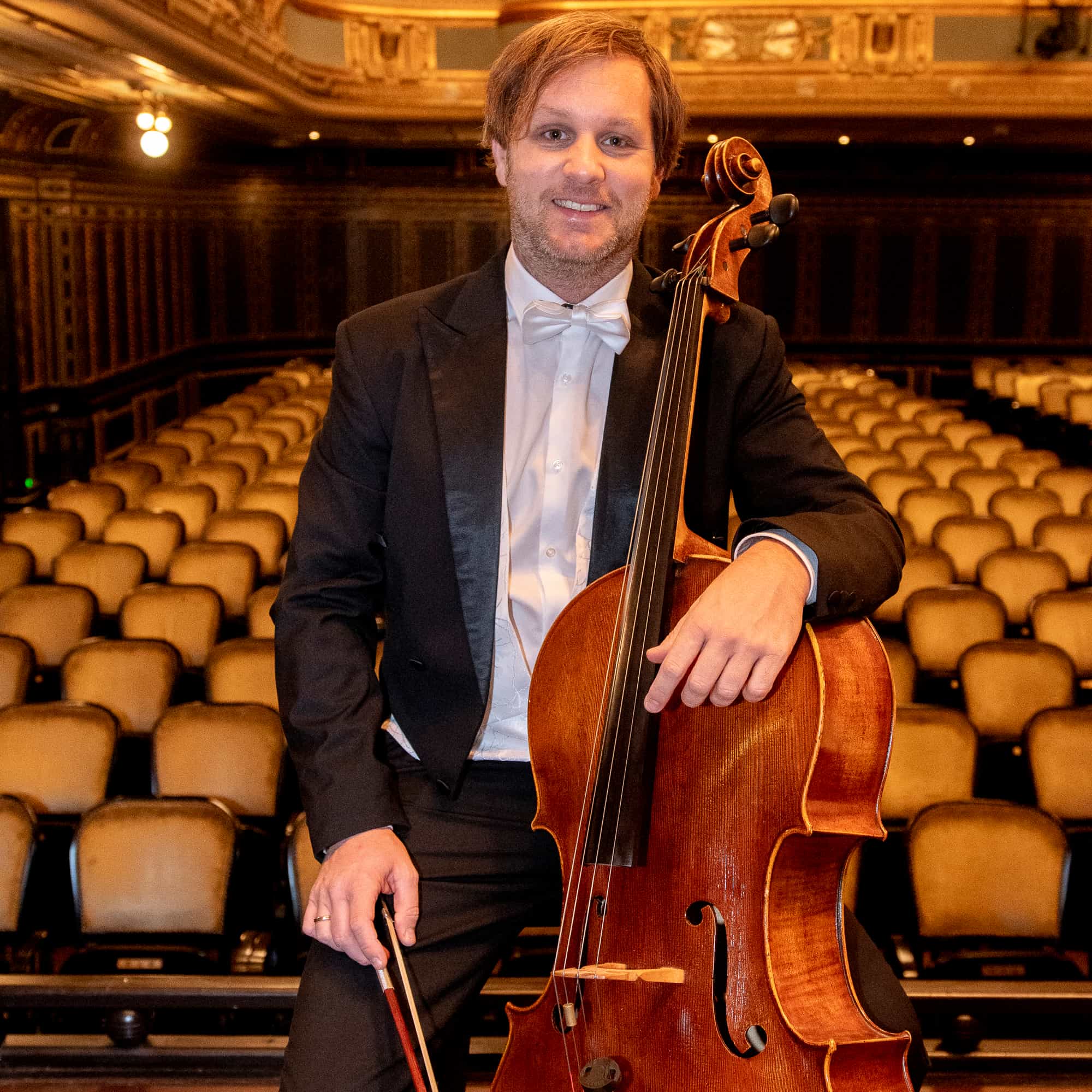
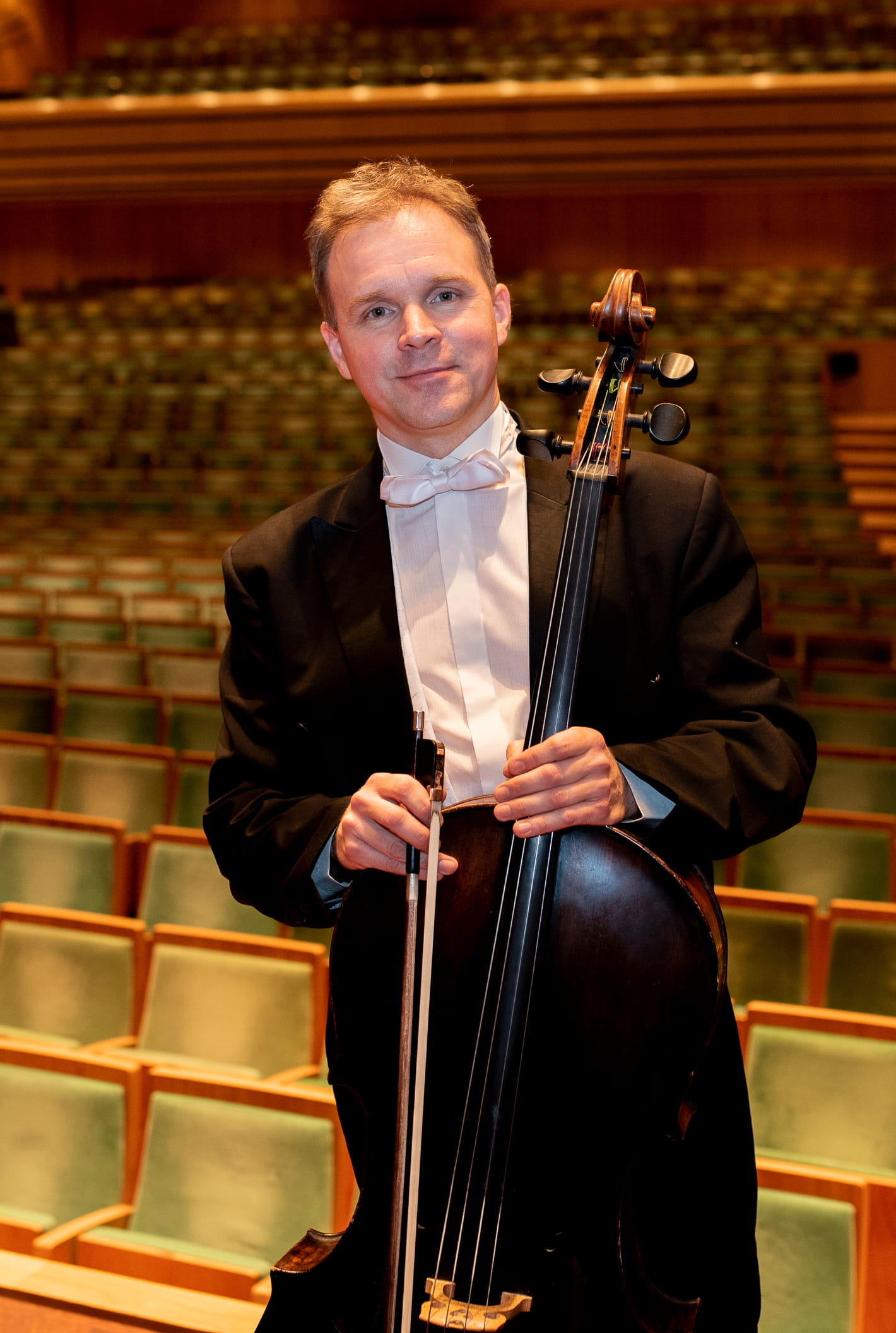
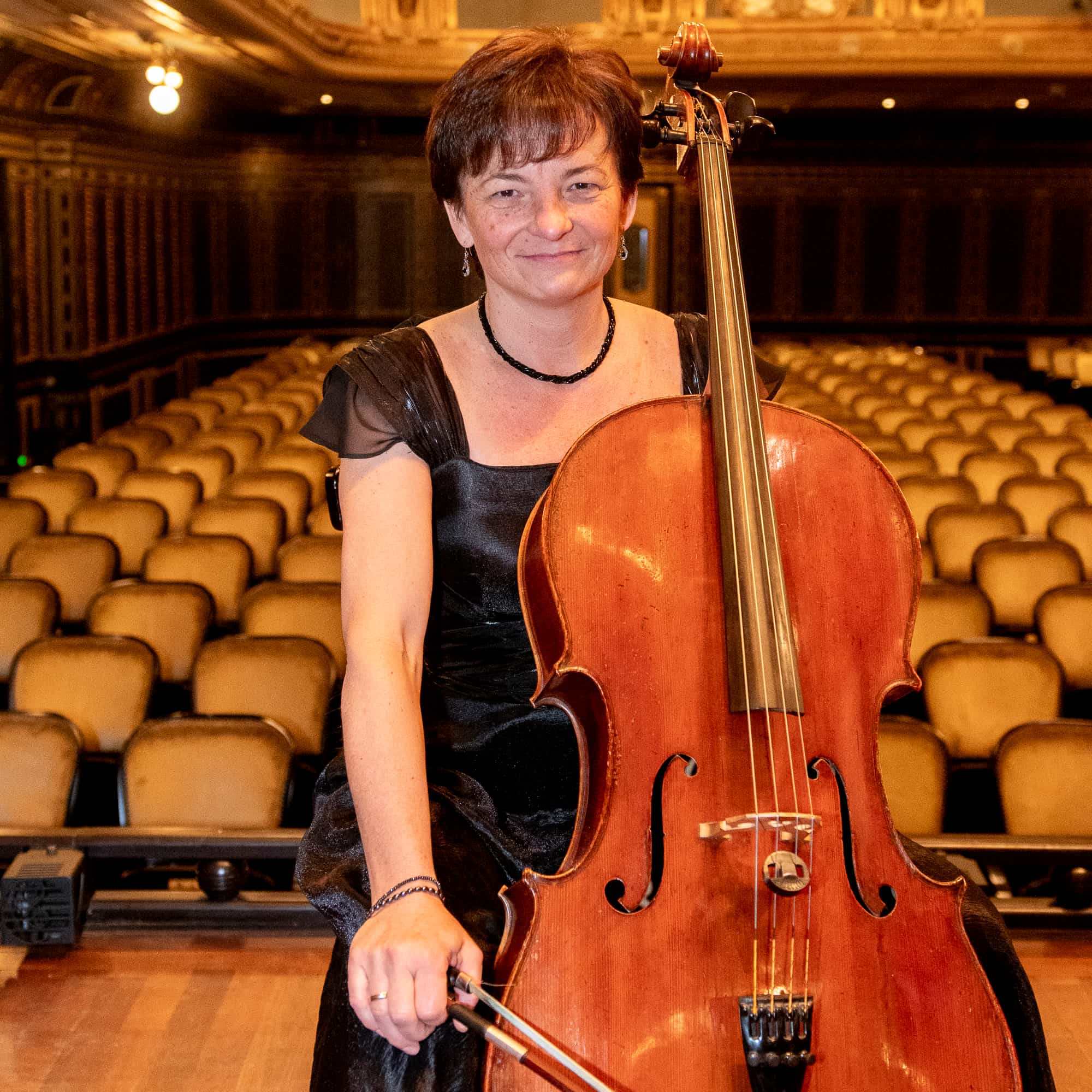
szóló csellista
szólamvezető
szólamvezető-helyettes
szólamvezető
szólamvezető
szólamvezető-helyettes
szülési szabadságon
szólamvezető
szólamvezető
szólamvezető
szólamvezető
szólamvezető
szólamvezető
szólamvezető
szólamvezető
timpani
szólamvezető
The MÁV Symphony Orchestra was founded in 1945, in the final days of the Second World War, by László Varga, then President and CEO of the Hungarian State Railways (MÁV), as the successor to the Railway Choir and Music Society established in 1924. His aim was for the railway to carry not only goods but also culture. He believed that after the peace treaty, there would be a need not only for building materials and food, but also for healing the psychological wounds caused by the war. In his view, a touring orchestra could contribute greatly to this goal. Inspired by his idea, special railway carriages were equipped with sleeping compartments for the musicians, while another wagon was used to transport instruments. The anniversary of the orchestra falls on May 1, when the ensemble—initially based on railway wind bands—first performed as the MÁV Orchestra. In the following months, Tibor Szőke, the first principal conductor, shaped the largely amateur musicians into a true symphonic ensemble, gradually attracting an increasing number of highly trained performers.
The principal conductors of the MÁV Symphony Orchestra have included Tibor Szőke, the founding conductor, followed by Miklós Lukács, István Pécsi, Géza Oberfrank, Ferenc Nagy, Mark Gorenstein, Tamás Gál, Imre Kollár, Gábor Takács-Nagy, and Péter Csaba—the latter two currently serve as permanent guest conductors. In the 2019/2021 seasons, Daniel Boico served as Principal Conductor and Artistic Director. From July 2021 until 2026, Róbert Farkas serves as Principal Conductor of the MÁV Symphony Orchestra.
In time, the orchestra became one of the most famous art ensembles of the country, to which generations owe their first real classical musical experience; the Gördülő opera (Opera on the Move), a series of concerts traveling the country, was a crucial part of the cultural programs of major provincial towns for decades. The program series starring the most famous singers of the opera house debuted in 1947 at Sárospatak with Aida, and continued to travel the provinces until the end of the 70s.
Ken-Ichiro Kobayashi won the Hungarian Television’s first International Conducting Competition, and the MÁV Symphony Orchestra became the first ensemble he conducted abroad, launching his international career. To this day, the Maestro maintains a special relationship with the orchestra. He has conducted dozens of concerts across their various series, and has also led the MÁV Symphony Orchestra on several occasions in Japan, thereby enhancing the reputation of both Hungary and the orchestra’s founder. The orchestra regards Kobayashi’s friendship as one of its most treasured assets. As a sign of mutual respect, since the 2014–15 season he has appeared on the podium as Honorary Guest Conductor.
Numerous internationally renowned conductors have worked with the MÁV Symphony Orchestra. Among these distinguished artists are Kurt Masur, János Ferencsik, Zoltán Kodály, Miklós Rózsa, Lamberto Gardelli, Franco Ferrara, Uri Mayer, Nikolai Anosov, Roberto Benzi, Angelo Ephrikian, Franz Konwitschny, Ottmar Suitner, Arvīds Jansons, Vladimír Válek, Hans Swarowsky, Carlo Zecchi, Herbert Blomstedt, Moshe Atzmon, Yuri Simonov, Irwin Hoffman, James Levine, János Fürst, Carlo Ponti Jr., Jesús López Cobos, and Charles Dutoit.
In 1988, the orchestra gave a concert at the Assisi Festival in Castel Gandolfo, at the pope’s summer residence, in honor of Pope John Paul II. The MÁV Symphony Orchestra was the sole Hungarian orchestra to participate in the legendary Three Tenors production. In 1999, in Japan, at the Tokyo Dome, it performed for an audience of 32 thousand, as a partner of José Carreras, Placido Domingo and Luciano Pavarotti.
The MÁV Symphony Orchestra Foundation, which provides the institutional background for the orchestra’s activities, was established.
BOARD OF TRUSTEES
Chairman: Sukta Csaba
Members: Németh Lászlóné, Stephen Lugosi, Dr. Rácz Gábor, Szígyártó Gyöngyi, Dr. Nagyapáti Izabella, Fenyő Gábor
SUPERVISORY COMMITTEE
Members: Dr. Siska Judit, Székely Katalin, Dr. Zih Szilvia
EXECUTIVE DIRECTOR
György Lendvai
ARTISTIC LEADERSHIP
Róbert Farkas Chief Conductor
Kobayashi Ken-Ichiro Honorary Guest Conductor
Gergely Kesselyák Permanent Guest Conductor
Gábor Takács-Nagy Permanent Guest Conductor
The MÁV Symphony Orchestra was the only Hungarian orchestra to take part in the legendary Three Tenors production. In 1999, they performed in Japan at the Tokyo Dome before an audience of 32,000, appearing alongside José Carreras, Plácido Domingo, and Luciano Pavarotti, with James Levine conducting. Following the gala concert, the orchestra also participated in the Three Tenors’ solo performances worldwide. The MÁV Symphony Orchestra was a regular participant in Pavarotti’s European farewell concert series, appearing on stage with the unforgettable tenor nearly ten times over the course of two years.
Over more than eight decades of its history, the orchestra has collaborated with numerous world-renowned artists in concerts both in Hungary and abroad. These include Luciano Pavarotti, Plácido Domingo, Kiri Te Kanawa, Roberto Alagna, Ruggiero Ricci, Dudu Fisher, Lucia Aliberti, Lazar Berman, Jeanne-Marie Darré, Endre Gertler, Tsuyoshi Tsutsumi, David Geringas, Yevgeny Buskov, Ramzi Yassa, János Starker, György Cziffra, Dezső Ránki, István Ruha, Csaba Onczay, Jenő Jandó, Erika Miklósa, Andrea Rost, Tamás Vásáry, Zoltán Kocsis, Miklós Perényi, Kristóf Baráti, Gergely Bogányi, Alexander Markov, Péter Frankl, Menahem Pressler, Helen Donath, and Maxim Vengerov.
A zenekar hagyományokban gazdag művészi munkásságának elismeréseképpen 2011-ben az egyik legjelentősebb zenei elismerésben részesült, megkapta a Bartók Béla-Pásztory Ditta Díjat.
The orchestra’s recordings are available worldwide, released by some of the most renowned labels (Hungaroton, Naxos, Sony, Toccata Classics). A 2013 release also received an award from one of the most prestigious music magazines in the United States, American Record Guide.

In the same year, the orchestra was awarded the MSZOSZ Prize, and the President of Hungary bestowed the Knight’s Cross of the Hungarian Order of Merit upon György Lendvai, the orchestra’s Managing Director, in recognition of his successful leadership of one of Hungary’s leading ensembles with nearly seventy years of cultural preservation and creation, as well as for prioritizing the musical education of young people.
In July 2013, the MÁV Symphony Orchestra recorded the original version of the Hungarian national anthem, composed by Ferenc Erkel, on commission from the International Olympic Committee. Since then, this version has been performed at the Olympic Games when Hungarian champions step onto the podium.
Choose from our upcoming concerts and experience the most beautiful music in the world