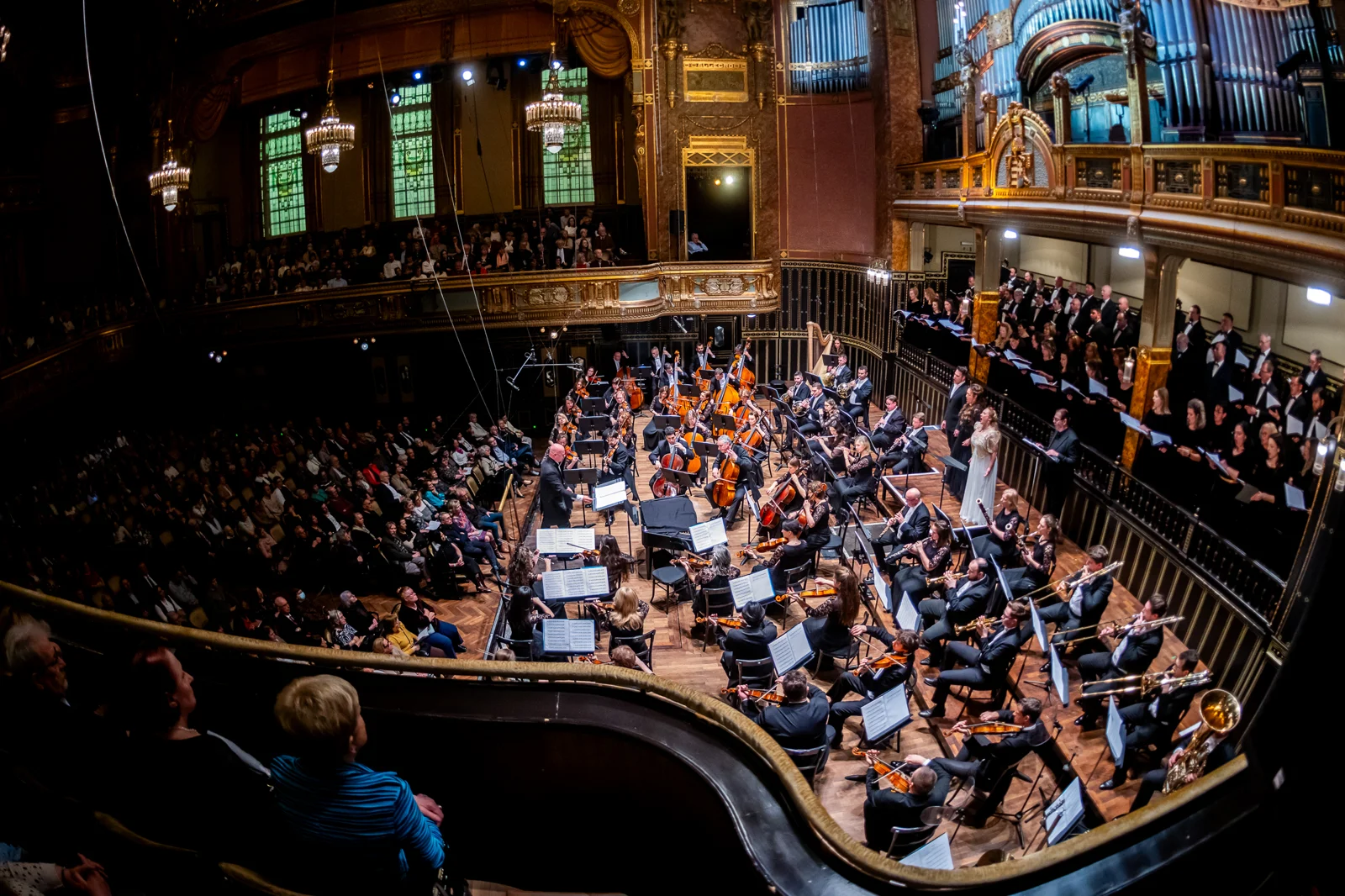
The MÁV Symphony Orchestra explores the deepest emotional dimensions of Romantic music in its concert on 27 November at the Grand Hall of the Liszt Academy. The programme brings together three masterpieces of German and Russian Romanticism, featuring the internationally acclaimed Hungarian cellist László Fenyő as soloist and one of the most promising young talents on the conducting podium, Nátán Sugár.
The evening opens with the overture to Carl Maria von Weber's groundbreaking opera Der Freischütz. Premiered in 1821, the opera is one of the cornerstones of German Romanticism, combining folk melodies, a fascination with nature and supernatural elements, and paving the way for Wagner's music dramas. The famous quartet of horns evokes the mysterious atmosphere of a forest before dark forces and the hope of love collide. The ominous mood of C minor ultimately gives way to a triumphant C major conclusion, proclaiming the victory of good over evil.
The programme continues with Robert Schumann's Cello Concerto in A minor, composed in less than two weeks in the autumn of 1850, although the composer never heard it performed publicly during his lifetime. Its three seamlessly connected movements focus not on outward virtuosity but on the cello's rich, singing baritone voice, unfolding as a single, deeply intimate musical confession. In the central movement, the soloist engages in a tender, dreamlike dialogue with one of the orchestra's cellists. As the celebrated British cellist Steven Isserlis once remarked, "You have to be a poet to play this piece: a dreamer, a lover."
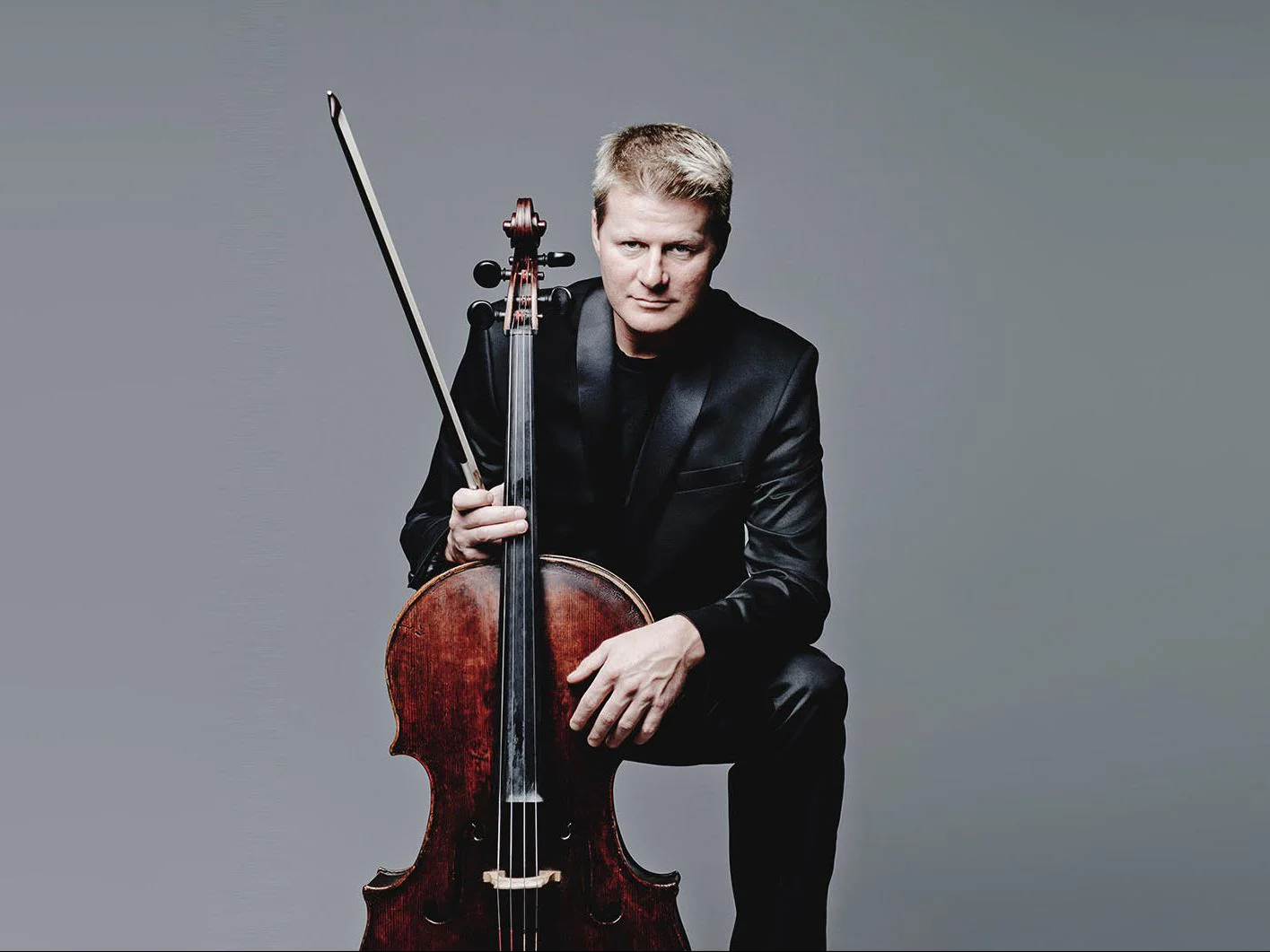
The soloist in Schumann's lyrical concerto is Liszt Prize-winning cellist László Fenyő, Professor at the University of Music Karlsruhe. Having performed in some of the world's most prestigious concert halls, from the Concertgebouw to Wigmore Hall, he will bring the concerto to life on his exceptionally beautiful Matteo Goffriller cello, crafted in 1695.
After the interval, the evening concludes with Pyotr Ilyich Tchaikovsky's monumental yet deeply personal Symphony No. 5 in E minor. The recurring "fate motif" first interrupts the reverent atmosphere of the second movement's heartfelt horn solo, then returns after the graceful waltz in the finale, transformed into a solemn, major-key proclamation. Yet the symphony leaves a profound question unanswered: has humanity triumphed over fate, or has fate itself ultimately prevailed?
The MÁV Symphony Orchestra welcomes back twenty-year-old conductor Nátán Sugár. Based in Vienna, he comes from a Hungarian family of musicians: his mother is violinist Orsolya Korcsolán, while his father, Gergely Sugár, is a horn player with the Vienna Symphony Orchestra. He turned to conducting at the age of fifteen, attended masterclasses with Jorma Panula, and has studied under Andrés Orozco-Estrada at the University of Music and Performing Arts Vienna since 2024.
Despite his young age, Sugár has already conducted the MÁV Symphony Orchestra, the Pannon Philharmonic, the Alba Regia Symphony Orchestra and the Vienna Symphony Orchestra. He also made his conducting debut at the Hungarian State Opera with one-act operas by Mozart and Menotti.
At Enchanting Romanticism, his youthful energy and musical sensitivity promise to bring a fresh perspective to the evening's compelling journey through the Romantic repertoire.